
Satisfies 1 requirement
S11 10kv High Efficiency 400 kVA 630kVA 3 Phase Electric Oil Immersed Power Distribution Transformer Step Down Power Distribution Transformer
US$2,000.00
1 Piece(MOQ)

I have found results from70000+products and10000+suppliers about400 kva transformer


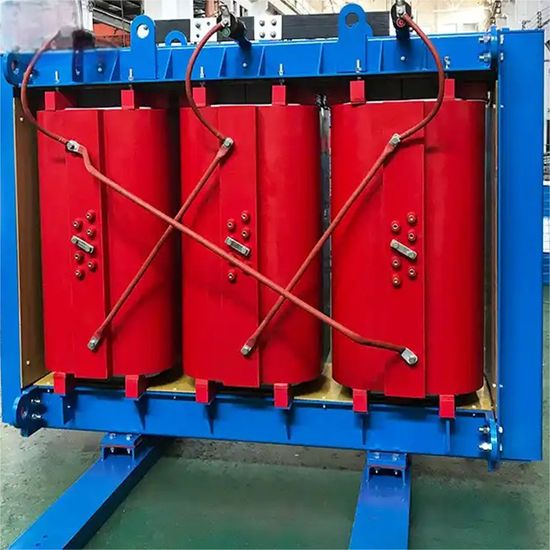
Selecting a 400 Kva transformer requires a focus on core material quality and cooling efficiency. Ensure the supplier uses high-permeability cold-rolled grain-oriented silicon steel for the core to minimize no-load losses. For the windings, 99.9% electrolytic copper is preferred over aluminum for better conductivity and longevity. Additionally, verify the insulation class (Class F or H) to ensure the unit can handle thermal stress during peak loads.
The transformer must adhere to IEC 60076 standards for power transformers. Key specifications to verify include the impedance voltage (typically 4% to 6%), vector group (e.g., Dyn11 or Yyn0), and temperature rise limits. For international trade, ensure the product carries CE, IEEE, or UL certification depending on the destination market, and check for ISO 9001 manufacturing compliance to guarantee process stability.
Oil-immersed transformers are generally more cost-effective and have better cooling capabilities for outdoor installations, but they require regular oil maintenance and fire safety precautions. Dry-type transformers (Cast Resin) are ideal for indoor environments, high-rise buildings, and moisture-prone areas because they are fire-resistant and virtually maintenance-free, though they come at a 20-40% higher initial cost.
Analyze the Total Cost of Ownership (TCO) by calculating the sum of the purchase price and the cost of energy losses (No-load and Load losses) over a 20-year lifespan. High-efficiency models (such as Level 1 energy efficiency ratings) may have a higher upfront price but offer a faster ROI through reduced electricity bills. Always request a Type Test Report from the supplier to verify that the actual loss values match the datasheet.
The biggest risks include damage during transit and technical mismatch. Transformers are heavy and sensitive; ensure the supplier uses vacuum-sealed packaging and reinforced steel-frame wooden crates. To avoid technical mismatch, provide a detailed Technical Specification Sheet including local grid frequency (50Hz vs 60Hz) and ambient temperature conditions to the supplier before production.
Focus on warranty terms and component transparency. Negotiate for a minimum 24-month warranty and ask for a detailed Bill of Materials (BOM) specifying the brands of the bushings, tap changer, and protection relays. For bulk orders, leverage the factory audit service provided by Made-in-China.com to verify the supplier's production capacity and testing laboratory equipment.
Due to the weight (often exceeding 1,500kg), Sea Freight (FCL or LCL with heavy-lift handling) is the most viable option. Ensure the Incoterms are clearly defined (FOB or CIF). It is critical to request impact sensors (Shockwatch) be placed on the crate to monitor if the unit was dropped or tilted during transit, which could displace the internal core.
Utilize Secured Trading Services on Made-in-China.com to hold payments until shipping documents are verified. Most importantly, hire a third-party inspection agency (like SGS or Intertek) to perform a Pre-Shipment Inspection (PSI), specifically witnessing the Routine Tests (Ratio, Polarity, Insulation Resistance, and Dielectric tests) at the factory before the balance is paid.