
Satisfies 1 requirement
Laboratory Single Layer Reactor with Chiller Vacuum Pump Borosilicate Glass-Lined Reactor
US$1,432.00-1,650.00
1 Piece(MOQ)

I have found results from8000+products and3000+suppliers aboutBorosilicate glass reactor


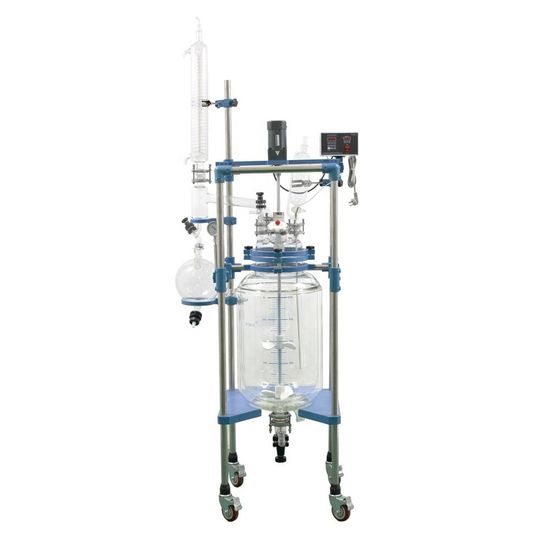


The reactor must be constructed from high-borosilicate glass 3.3 (GG-17), which is renowned for its excellent chemical and physical properties. It should offer a low coefficient of thermal expansion, high resistance to thermal shock, and superior corrosion resistance against acids and organic solvents. Ensure the glass thickness is uniform to prevent stress points during high-pressure or vacuum operations.
Check the jacket design for efficient heat transfer. A high-quality reactor should support a wide temperature range, typically from -80°C to +250°C. Verify the maximum pressure tolerance of the jacket to ensure compatibility with your circulating heaters or chillers. Look for features like PTFE thermal insulation layers to minimize energy loss and protect operators from extreme temperatures.
Prioritize reactors equipped with PTFE (Polytetrafluoroethylene) mechanical seals to ensure a high vacuum degree (typically down to -0.098Mpa) and prevent contamination. The stirring system should feature a frequency-controlled motor for stable torque and a PTFE-coated stainless steel stirrer to handle high-viscosity materials without reacting with the chemicals.
For B2B procurement, ensure the supplier provides CE Certification for electrical components and ISO 9001 for manufacturing quality management. If the reactor is used in hazardous environments, verify Ex-proof (Explosion-proof) ratings for the motor and controller. Additionally, check for FDA compliance if the equipment is intended for pharmaceutical or food-grade applications.
Glass reactors are highly fragile. You must mandate export-standard wooden crate packaging with shock-absorbing foam inserts. Request the supplier to use vacuum-sealed internal wrapping and clearly label the crates as 'Fragile.' It is highly recommended to purchase All-Risk Marine Insurance and use reputable logistics providers experienced in handling scientific instruments.
When sourcing via Made-in-China.com, focus on technical customization rather than just price. Ask for a detailed technical drawing and a Bill of Materials (BOM) before placing an order. Negotiate a staged payment plan (e.g., 30% deposit, 70% after successful FAT/Factory Acceptance Test) and request a video inspection of the unit operating under vacuum before it leaves the factory.
Identify the correct HS Code (typically 701720 for laboratory glassware) to determine applicable tariffs. Ensure the supplier provides a Commercial Invoice, Packing List, and Certificate of Origin. Be aware of specific import regulations in your country regarding pressurized vessels, as some large-scale reactors may require additional safety inspections upon arrival.
Ensure the contract includes a minimum 12-month warranty on the motor and main structure. Since glass components are consumables, negotiate for a spare parts kit (including O-rings, gaskets, and a spare discharge valve) to be included in the initial shipment. Confirm that the supplier can provide remote technical guidance or video tutorials for assembly and troubleshooting.