
Satisfies 1 requirement
Customizable Heavy Duty Rail Mounted Ship Loader for Various Bulk Cargo Ship Types
US$235,000.00
1 Set(MOQ)

I have found results from100000+products and40000+suppliers aboutCargo loader


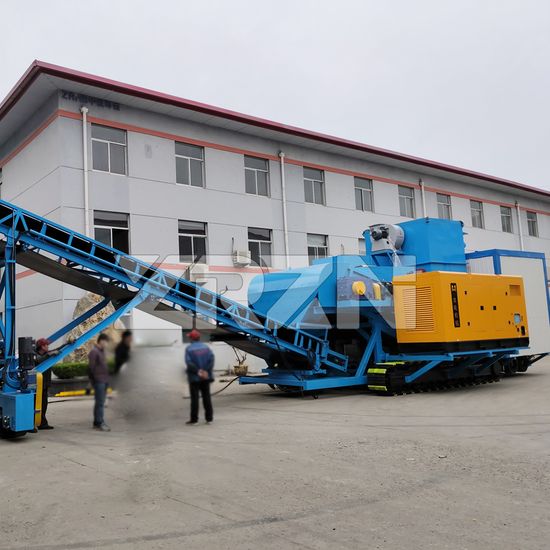


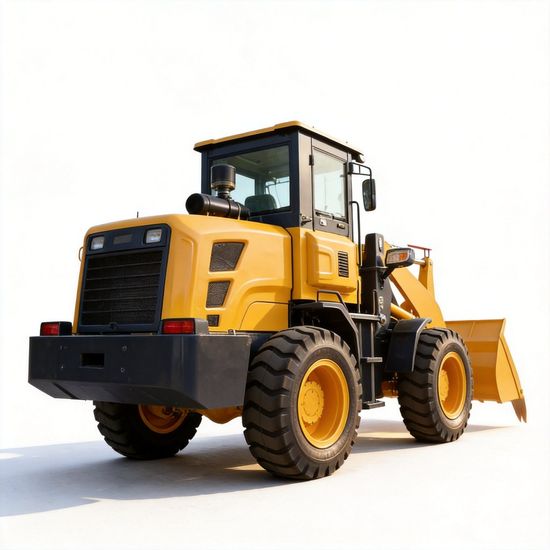
When procuring cargo loaders, the most critical factor is the Rated Load Capacity, which must align with your heaviest operational requirements (typically ranging from 1,000kg to over 10,000kg). You must also evaluate the Maximum Lifting Height and Reach to ensure compatibility with your specific transport vehicles or racking systems. For motorized units, prioritize Engine/Motor Power and Transmission Reliability; for electric models, verify Battery Cycle Life (Lithium-ion preferred) and Charging Efficiency. Additionally, ensure the Hydraulic System utilizes high-pressure resistant hoses and precision valves to prevent fluid leaks and ensure smooth lifting operations.
To ensure operational safety and legal entry into global markets, cargo loaders must adhere to strict standards. For the European market, a CE Marking is mandatory, specifically compliance with the Machinery Directive 2006/42/EC. For North America, look for ANSI/ITSDF B56.1 standards. It is essential to verify that the supplier provides ROPS (Roll-Over Protective Structure) and FOPS (Falling Object Protective Structure) certifications for operator cabins. Furthermore, ensure the equipment meets ISO 3691-1:2011 for industrial truck safety requirements.
Durability is determined by the Structural Steel Grade used in the chassis and mast; look for Q345B or higher-strength alloy steel. Inquire about the Anti-corrosion Treatment, such as powder coating or galvanization, especially if the loader will operate in humid or coastal environments. Maintenance-wise, prioritize designs with Centralized Lubrication Points and easy access to the engine or battery compartment. A high-quality loader should have a Mean Time Between Failures (MTBF) of at least 2,000 hours under standard operating conditions.
The primary risks include Technical Mismatch and Shipping Damage. To mitigate these, always request a Pre-Shipment Inspection (PSI) conducted by third-party agencies like SGS or Intertek to verify that the machine's performance matches the technical data sheet. Ensure the contract includes a Strict Packaging Clause, requiring the use of Heavy-duty Steel Skids and Waterproof Shrink-wrap for sea freight. For transaction security, utilize Secure Payment Terms such as Letter of Credit (L/C) or trade assurance services provided by reputable platforms like Made-in-China.com to protect your capital until the Bill of Lading is issued.
Negotiations should extend beyond the unit price. Focus on the Total Cost of Ownership (TCO) by negotiating for a Wear-and-Tear Spare Parts Package (e.g., filters, seals, and fuses) to be included in the initial shipment. Demand a Warranty Period of at least 12 to 24 months on core components like the engine, motor, and transmission. Additionally, confirm the supplier's ability to provide Technical Support via Video Link and their commitment to shipping replacement parts via International Express within 48-72 hours to minimize operational downtime.
Cargo loaders are often Oversized or Overweight (OOG), which may require Flat Rack Containers or Roll-on/Roll-off (RoRo) Shipping instead of standard containers. You must clarify the Incoterms clearly; CIF (Cost, Insurance, and Freight) is common, but FOB (Free On Board) gives you more control over the shipping line and costs. Ensure the supplier provides a Certificate of Origin to take advantage of potential Free Trade Agreements (FTA) which can significantly reduce import duties in your country. Always verify the HS Code (typically 8427 or 8428 series) with your local customs broker before the shipment departs.