
Satisfies 1 requirement
High Quality Feed Additives; S, S-Dimethyl-Beta-Propionic Acid Thetine; CAS No.: 4337-33-1; Dmpt
US$1.00-100.00
1 kg(MOQ)

I have found results from600+products and100+suppliers aboutDmpt


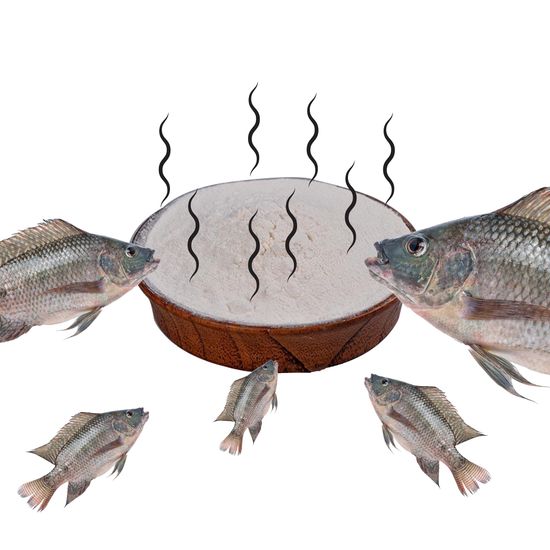


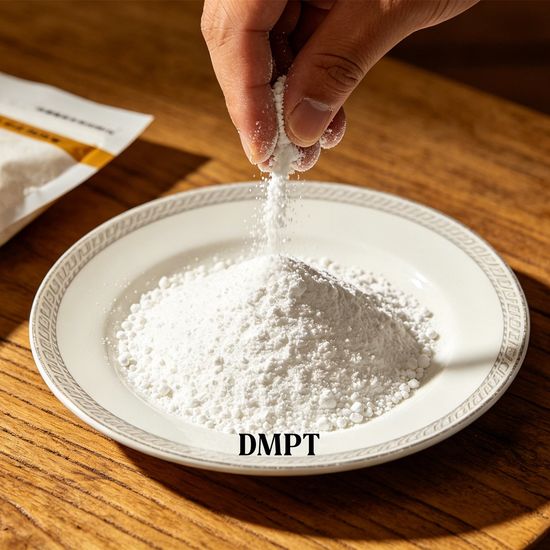
DMPT (Dimethylpropiothetin) is a fourth-generation aquatic attractant known for having the strongest feeding stimulation effect among known substances. It is primarily used in fish and shrimp feed to improve appetite, increase growth rates, and enhance the stress resistance of aquatic animals during transport or environmental changes. It is widely applied in both freshwater and seawater aquaculture for species like carp, tilapia, and various shrimp varieties.
High-quality DMPT should typically have a purity of 98% or higher. Key technical indicators include moisture content (≤ 2.0%), heavy metal limits (Lead ≤ 10ppm, Arsenic ≤ 2ppm), and a clear white crystalline powder appearance. Buyers should ensure the product has good water solubility and stability under standard feed processing temperatures to ensure the bioavailability of the active sulfur compounds.
Suppliers must adhere to strict feed additive regulations. You should prioritize manufacturers with ISO 9001 (Quality Management) and FAMI-QS (Specialty Feed Ingredients) certifications. For international trade, ensure the supplier provides a Certificate of Analysis (COA) for every batch and a Material Safety Data Sheet (MSDS). Compliance with the destination country's Ministry of Agriculture or FDA equivalent feed additive registration is mandatory.
While DMPT is a premium additive, its low inclusion rate (typically 0.1% to 0.5% of feed) makes it highly cost-effective. It significantly reduces the Feed Conversion Ratio (FCR), meaning less feed is required for the same weight gain. By shortening the breeding cycle by 10-20%, it allows for faster turnover of stock, directly improving the Return on Investment (ROI) for commercial fish farms.
The primary risks include product adulteration (mixing with cheaper salts) and moisture absorption during sea transit. To mitigate this, use vacuum-sealed aluminum foil packaging and request a pre-shipment inspection (PSI) by third parties like SGS. Always verify the supplier's reputation on Made-in-China.com by checking their 'Audited Supplier' status and transaction history.
DMPT pricing is sensitive to the cost of raw materials like dimethyl sulfide. For bulk orders exceeding 1 ton, you can typically negotiate a 10-15% discount. If you are a new buyer, suggest a tiered pricing structure where the price drops as your annual volume increases. For initial testing, request a paid sample (1-5kg) to verify efficacy before committing to a full container load.
DMPT is sensitive to high temperatures and humidity. It should be shipped in cool, dry, and well-ventilated containers. Ensure the shipping documents clearly state 'Keep Dry' and 'Away from Heat.' Upon arrival, it must be stored in a warehouse below 25°C to prevent caking and degradation of the attractant properties.
Utilize Trade Assurance services provided by platforms like Made-in-China.com to protect your payment until delivery is confirmed. For large contracts, use Letter of Credit (L/C) or Telegraphic Transfer (T/T) with a 30% deposit and 70% balance against the Bill of Lading (B/L). Never send payments to personal bank accounts; always ensure the account name matches the registered company name on the business license.