Satisfies 1 requirement
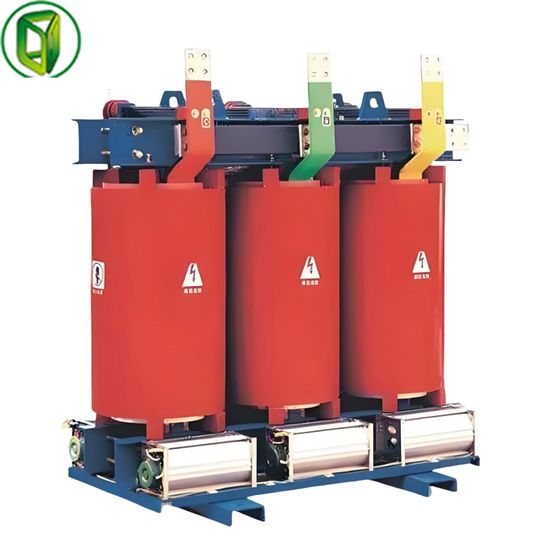
Scbh15 3 Phase Electronics Dry Type Amorphous Alloy Iron Core Distribution Transformer Manufacturer
US$700.00-15,000.00
1 Piece(MOQ)

I have found results from80000+products and20000+suppliers aboutElectronics transformer




When sourcing electronics transformers, you must prioritize Input/Output Voltage (V) and Power Rating (VA/W) to ensure compatibility with your target application. Pay close attention to the Frequency Range (Hz), especially for high-frequency switching power supplies (SMPS) which often operate in the 20kHz to 500kHz range. Additionally, evaluate the Efficiency Rating; high-quality transformers should achieve over 90% efficiency to minimize heat dissipation and energy loss.
Compliance is non-negotiable for safety and market entry. Ensure the supplier provides UL (Underwriters Laboratories) or ETL certification for the North American market, and CE (LVD/EMC) for Europe. For global safety standards, look for IEC 61558 (safety of power transformers) and RoHS/REACH compliance to guarantee the absence of hazardous substances. For medical-grade applications, IEC 60601-1 certification is a strict requirement.
The Insulation Class (e.g., Class B, F, or H) determines the maximum allowable operating temperature; for industrial use, Class F (155°C) or Class H (180°C) is preferred. Ask for the Dielectric Strength (Hi-pot test) results, typically requiring a breakdown voltage of 2.5kV to 4kV between primary and secondary windings. Proper vacuum epoxy encapsulation or varnish dipping is essential for moisture resistance and heat dissipation.
Toroidal transformers are ideal for high-end audio equipment and medical devices due to their low electromagnetic interference (EMI) and compact size. High-frequency flyback transformers are the backbone of LED drivers and chargers. For heavy industrial machinery, Control Transformers are used to step down voltages for control circuits, requiring high short-circuit resistance.
A common risk in transformer sourcing is the use of Copper-Clad Aluminum (CCA) instead of Pure Copper to reduce costs. To mitigate this, specify 100% Oxygen-Free Copper in your contract and request a material analysis report. Conduct a weight check on samples, as pure copper is significantly heavier than CCA, and perform a resistance test to verify conductivity.
When negotiating, focus on Total Cost of Ownership (TCO) rather than just the unit price. Request a breakdown of the Core Material (e.g., Ferrite vs. Silicon Steel) and Winding Method. For bulk orders, aim for a 10-15% discount on quantities exceeding 5,000 units. Always use the Secured Trading services provided by Made-in-China.com to ensure payment safety and quality recourse.
Transformers are heavy and sensitive to moisture. Ensure the supplier uses vacuum-sealed plastic packaging with desiccant packs to prevent oxidation of terminals. For sea freight, specify heavy-duty reinforced wooden crates with palletization to prevent core displacement or damage to the pins/leads during transit. Ensure the HS Code (typically 8504.31) is correctly declared to avoid customs delays.
Prioritize Audited Suppliers on Made-in-China.com who have undergone third-party inspections by firms like SGS or Bureau Veritas. Review their R&D capabilities—a reliable supplier should offer customized winding services and provide full test reports (LCR, Leakage Inductance, and Temperature Rise) for every batch before shipment.