
Satisfies 1 requirement
Vinyl Acetate-Ethylene Copolymer Emulsion Vae Polymers EVA Emulsion Dalian Chemical Da-102h
US$800.00-1,050.00
1 Ton(MOQ)

I have found results from4000+products and1000+suppliers aboutEva emulsion


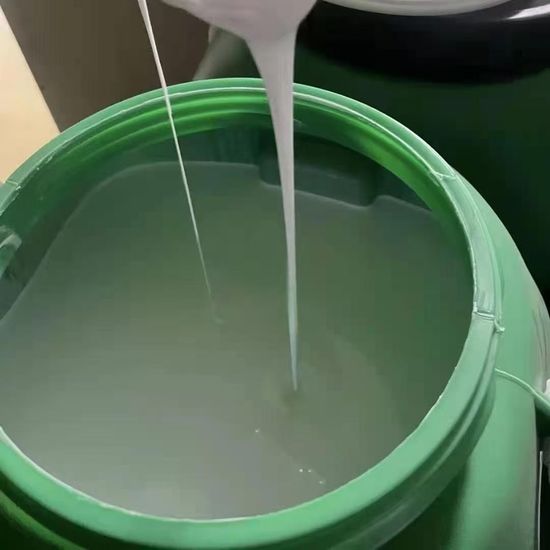


When evaluating EVA Emulsion, you must prioritize the Solid Content (typically 50%-55%), Viscosity (measured in mPa.s), and the Ethylene Content, which determines the flexibility and water resistance of the final product. Ensure the pH value is compatible with your formulation (usually between 4.0 and 6.0) and verify the Minimum Film-Forming Temperature (MFFT) to ensure it suits your specific climate and application environment.
EVA Emulsion is highly versatile. It is primarily used in Adhesives (for paper packaging, wood bonding, and PVC film lamination), Construction (as a modifier for cement and waterproof coatings), and Textiles (for carpet backing and non-woven fabric binding). Its excellent adhesion to non-porous substrates makes it a preferred choice for high-speed automated packaging lines.
For international trade, ensure the supplier provides a Material Safety Data Sheet (MSDS) and a Technical Data Sheet (TDS). If the product is used for food packaging, it must comply with FDA 175.105 or EU 10/2011 regulations. For construction use in Europe, look for REACH compliance to ensure the absence of restricted hazardous substances.
Request a Certificate of Analysis (COA) for every batch. Key performance indicators include mechanical stability (resistance to high-speed stirring) and freeze-thaw stability. It is highly recommended to order a 1-5kg sample for lab testing to verify the bonding strength and compatibility with your existing chemical additives before committing to a bulk container.
The biggest risk is temperature sensitivity. EVA Emulsion is water-based; if it freezes during transit in winter or is exposed to extreme heat (>40°C) for prolonged periods, the emulsion may irreversibly coagulate or separate. Always specify temperature-controlled containers (Reefer) for winter shipments to cold regions or ensure the cargo is stowed 'below deck' to avoid direct sunlight.
Pricing for EVA Emulsion is often tied to the Vinyl Acetate Monomer (VAM) index. Negotiate a formula-based pricing model for long-term contracts. While standard MOQs are often 1 metric ton (IBC tanks or drums), you can negotiate lower MOQs for trial orders by highlighting your long-term project potential. For bulk orders exceeding 20 tons (FCL), aim for a 5-10% volume discount.
Utilize secure payment methods and consider third-party pre-shipment inspections (such as SGS or Intertek) to verify the quantity and drum integrity. When sourcing from China, look for Audited Suppliers on Made-in-China.com who have undergone comprehensive on-site verification of their manufacturing capabilities and business licenses.
Standard packaging includes 200kg plastic drums or 1000kg IBC tanks. Ensure the drums are UV-resistant and hermetically sealed to prevent skinning (surface drying). For large-scale industrial buyers, Flexitanks can be a cost-effective way to maximize volume in a 20ft container, reducing per-unit shipping costs by up to 15% compared to traditional drumming.