
Satisfies 1 requirement
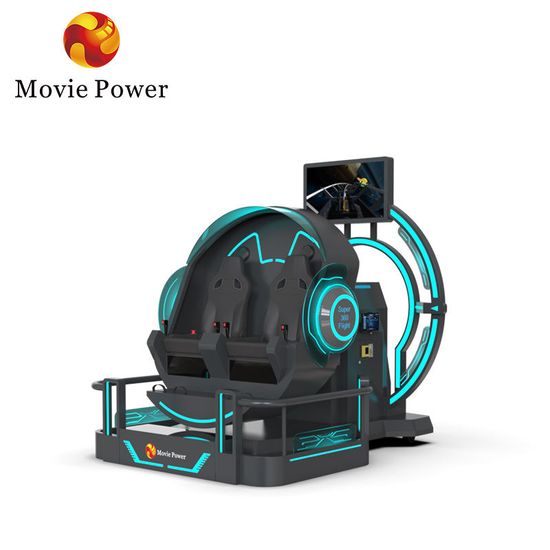
New Design Virtual Reality Flight 9d Helicopter Vr Plane Simulator Arcade Game Machine
US$4,000.00-4,280.00
1 Piece(MOQ)

I have found results from4000+products and1000+suppliers aboutFlight simulator machine




When sourcing flight simulators, prioritize the Degree of Freedom (DOF) of the motion platform; a 3-DOF or 6-DOF system is essential for realistic pitch, roll, and yaw. Ensure the visual system utilizes high-definition 4K curved screens or VR integration for immersive training. Additionally, verify that the control yoke, pedals, and throttle quadrant are made of industrial-grade metal rather than plastic to ensure a lifespan of over 50,000 hours.
For the US market, ensure the electronics are FCC certified, while the EU market requires CE marking and RoHS compliance for hazardous substances. If the equipment is intended for professional pilot training, it must meet FAA (Federal Aviation Administration) or EASA (European Union Aviation Safety Agency) Level D or equivalent flight training device (FTD) standards. Always request ISO 9001 certification from the manufacturer to guarantee quality management.
Confirm that the hardware is compatible with industry-standard software such as Microsoft Flight Simulator (MSFS), X-Plane, or Prepar3D. It is crucial to choose a supplier that provides open API access for custom software integration and offers lifetime firmware updates. Ask if the system supports remote diagnostic tools, which allow the manufacturer to troubleshoot software glitches via the cloud, reducing downtime.
Motion platforms rely on electric linear actuators or hydraulic systems. Electric actuators are preferred for B2B buyers as they are virtually maintenance-free compared to hydraulics, which require oil changes and leak monitoring. Ensure the supplier provides a detailed maintenance manual and includes spare sensor kits in the initial purchase to handle common wear-and-tear issues.
Flight simulators are heavy and sensitive. You must insist on vacuum-sealed anti-static packaging and reinforced wooden crate packing (IPPC certified). For shipping, use CIF or DAP terms to ensure the seller handles the risk until the goods reach a major port. It is highly recommended to install impact sensors (ShockWatch labels) on the crates to detect if the cargo was mishandled during transit.
Focus on the Total Cost of Ownership (TCO) rather than just the unit price. Negotiate for a 2-year extended warranty and the inclusion of on-site installation guidance or video training sessions. When sourcing via Made-in-China.com, leverage the Audit Reports to verify the factory's actual production capacity and R&D strength before making a deposit.
Given the high unit price of simulators, use Secured Trading services provided by platforms like Made-in-China.com to protect your funds. Follow a payment structure of 30% deposit and 70% balance after a successful FAT (Factory Acceptance Test). You should request a live video inspection of your specific unit performing a full motion-range test before the final payment is released.
The typical HS Code for flight simulators is 880529. Import duties vary significantly by country; for instance, some regions offer duty exemptions for educational or pilot training equipment. Consult with a local customs broker to see if your purchase qualifies for Information Technology Agreement (ITA) duty-free status to significantly reduce your procurement costs.