
Satisfies 1 requirement
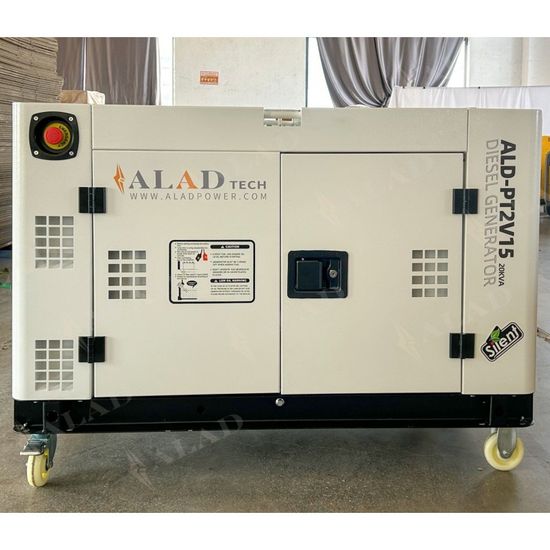
Industrial 30kVA Silent Diesel Generator for Remote Areas with Fuel Less Consumption
US$2,000.00-2,200.00
1 Set(MOQ)

I have found results from40000+products and10000+suppliers aboutFuel less generator




When sourcing fuel-less generators (often referred to as high-capacity power stations or magnetic/inverter generators), you must prioritize the Battery Chemistry, specifically LiFePO4 (Lithium Iron Phosphate), which offers over 3,500+ charge cycles. Ensure the Inverter Type is Pure Sine Wave to protect sensitive electronics from harmonic distortion. Additionally, verify the Conversion Efficiency of the built-in MPPT controller, which should ideally be above 95% for optimal energy harvesting.
B2B buyers should distinguish between Rated Power (Continuous) and Peak Power (Surge). A professional supplier must provide documentation showing the generator can sustain its Rated Wattage for extended periods without overheating. Request UL 2743 or IEC 62368-1 test reports to confirm that the stated Watt-hour (Wh) capacity is accurate and that the Battery Management System (BMS) provides over-voltage and short-circuit protection.
For the US market, FCC and ETL/UL certifications are essential. For the EU, look for CE, RoHS, and LVD (Low Voltage Directive) compliance. Since these products contain high-capacity batteries, they are classified as UN3480 (Lithium-ion batteries) or UN3481, requiring UN38.3 Test Reports and MSDS (Material Safety Data Sheets) for legal cross-border transportation.
These units are primarily used for Emergency Backup Power in medical or data facilities, Off-grid Construction Sites, and Remote Telecommunications hubs. For B2B applications, ensure the unit supports Pass-through Charging (UPS function) with a switching time of less than 20ms to prevent equipment downtime during power transitions.
Fuel-less generators are treated as Dangerous Goods (DG) due to their battery content. You must ensure the supplier is experienced in DG Packaging and can provide a Dangerous Goods Declaration. Shipping costs are significantly higher than general cargo, so it is recommended to use Sea Freight (LCL/FCL) with a forwarder who specializes in Class 9 Hazardous Materials to avoid customs seizures.
The most effective strategy is to mandate a Pre-Shipment Inspection (PSI). Instruct the inspector to perform a Full Load Discharge Test to verify the actual capacity matches the datasheet. On platforms like Made-in-China.com, prioritize Audited Suppliers who have undergone third-party onsite factory verifications to ensure they aren't using 'B-grade' or refurbished battery cells.
Focus on the Warranty Terms and Localized After-Sales Support. Since shipping units back to the factory is cost-prohibitive, negotiate for a 1-2% Spare Parts Allowance (including spare BMS boards and inverters) or a Repair Credit in the contract. For orders exceeding 100 units, aim for a 15-20% discount off the sample price and request OEM branding/customized sockets for your target region's plug standards.
Be aware of Anti-Dumping Duties or specific Green Energy Subsidies in your country. Some regions offer Tax Credits for importing renewable energy solutions, while others may have strict Import Licenses for high-capacity power storage. Always confirm the HS Code (typically 8501.61 or 8507.60) with your customs broker to calculate the exact Import Duties and VAT before finalizing the transaction.