
Satisfies 1 requirement
Modern Fabric Recliner Boneless Bean Bag Compressed Sofa for Living Room Sitting Room Indoor Furniture
US$52.00-58.00
5 Pieces(MOQ)

I have found results from60000+products and10000+suppliers aboutIndoor sofa


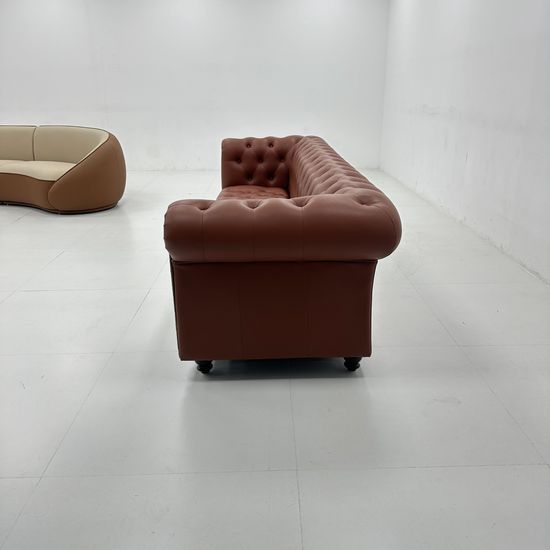
The frame is the backbone of the sofa. For long-term durability, prioritize kiln-dried hardwood (such as oak, ash, or maple) because the kiln-drying process removes moisture, preventing the wood from warping or cracking. For budget-friendly commercial options, high-quality plywood with at least 7 layers is acceptable, but avoid particle board or thin MDF, as they lack the structural integrity for heavy use. Ensure joints are glued, doweled, and screwed rather than just stapled.
For comfort and longevity, look for high-resiliency (HR) foam with a density of at least 1.8 lb/ft³ to 2.5 lb/ft³. Lower density foam will sag within months. Regarding fabric, check the Martindale rub count; for residential use, 15,000-20,000 rubs is sufficient, but for high-traffic commercial areas (like hotel lobbies), aim for 30,000+ rubs. Additionally, ensure the fabric has a colorfastness rating of Grade 4 or higher to prevent fading.
Compliance is critical for customs clearance and safety. For the US market, sofas must comply with TB117-2013 (flammability standards) and CPAI-84. For the UK, the BS 5852 fire safety regulation is mandatory. Globally, ensure the wood components meet FSC (Forest Stewardship Council) standards for sustainability and that the foam is CertiPUR-US® or OEKO-TEX® certified to guarantee it is free from harmful chemicals like formaldehyde and heavy metals.
Consider the seat depth and back height based on the target demographic. A standard seat depth of 20-22 inches is ideal for upright sitting, while 24 inches+ is better for lounging. For office or waiting room scenarios, choose firmer cushions to facilitate easy standing. For residential living rooms, pocket spring systems combined with foam layers provide the best balance of support and 'sink-in' comfort.
The biggest risks are quality inconsistency between samples and bulk orders and shipping damage. To mitigate this, always hire a third-party inspection service (like V-Trust or QIMA) to perform a Pre-Shipment Inspection (PSI). Ensure the supplier uses reinforced 5-layer corrugated cardboard packaging and corner protectors to prevent crushing during sea freight stacking.
Sofa manufacturing is labor-intensive. While you can negotiate a 10-15% discount for full container loads (FCL), focus on 'value-added' negotiation if your volume is low. Ask for free spare parts (like extra legs or fabric swatches) or reduced sample fees that are refundable upon a bulk order. On Made-in-China.com, look for 'Audited Suppliers' to ensure you are dealing with a factory rather than a small trading company to get better factory-direct pricing.
Sofas are high-volume, low-weight goods, making shipping costs a significant portion of the TCO. Use FOB (Free On Board) terms to maintain control over your freight forwarder and costs. If purchasing multiple styles, consider LCL (Less than Container Load) consolidation in a central warehouse. Always verify the CBM (Cubic Meters) of the packed product to calculate how many units fit into a 40HQ container, which is the most cost-effective way to ship furniture.
Never pay 100% upfront. The industry standard is a 30% deposit and 70% balance payment against the Bill of Lading (B/L) copy after inspection. Use Secured Trading services provided by platforms like Made-in-China.com to ensure your funds are protected until the supplier meets the agreed-upon shipping milestones. Always verify the supplier's Business License and Export License before transferring any funds.