
Satisfies 1 requirement
High-Frequency Electronic Transformer LED Driver Power Transformer
US$1.00-3.00
100 Pieces(MOQ)

I have found results from20000+products and8000+suppliers aboutLed driver transformer

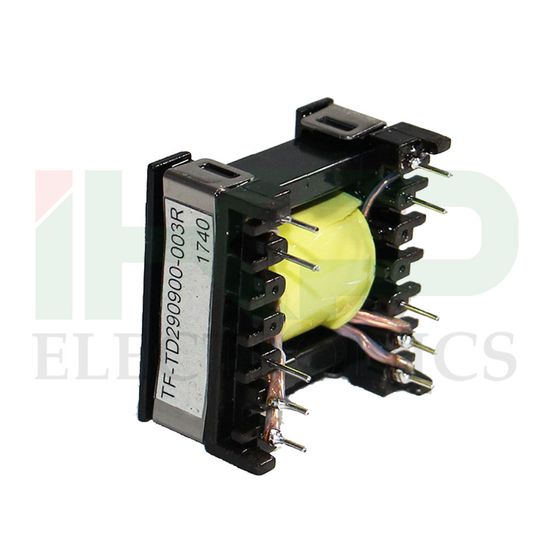


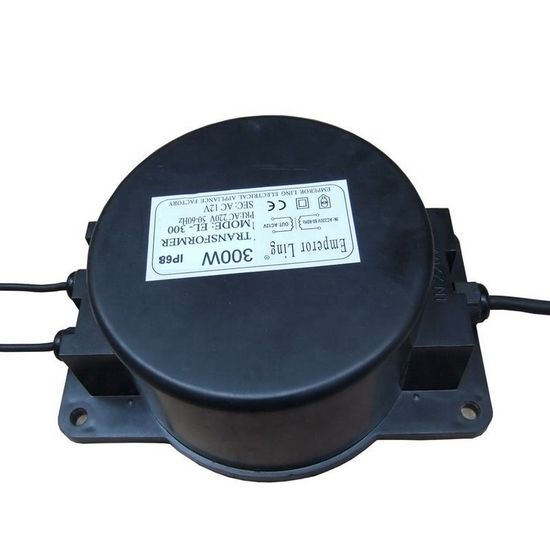


The choice depends entirely on the LED load. Constant Voltage (CV) drivers (usually 12V or 24V) are essential for LED strips or parallel-connected modules that have built-in resistors. Constant Current (CC) drivers are required for high-power COB LEDs or series-connected chips to prevent thermal runaway. Always verify the output current (mA) and voltage range (VDC) of your light source before purchasing.
For the US market, ensure the driver is UL Listed or UL Recognized (Class 2) to meet building codes. For Europe, CE, RoHS, and TUV certifications are mandatory. If selling in Australia, look for the SAA mark. High-quality drivers should also feature IP67 ratings if intended for outdoor use to ensure protection against dust and water ingress.
To ensure longevity and prevent overheating, apply the 80% Rule: the total wattage of your LEDs should not exceed 80% of the driver’s maximum rated capacity. For example, if your LED strip consumes 80W, you should use at least a 100W transformer. This overhead accounts for power surges and environmental temperature fluctuations.
Compatibility is key. Common protocols include TRIAC (Phase-cut) for traditional wall dimmers, 0-10V/1-10V for commercial building automation, and DALI or DMX for smart lighting systems. Ensure the driver is flicker-free (PWM frequency > 3kHz) to avoid eye strain and issues with video recording.
Prioritize Audited Suppliers who have undergone third-party inspections by SGS or TÜV Rheinland. Request a factory audit report and check if they hold ISO 9001 certification. For electronic components like transformers, ask for batch testing reports (LVD/EMC) to ensure the units won't cause electromagnetic interference with other devices.
Some low-tier suppliers mislabel 60W drivers as 100W. To mitigate this, request a sample and perform a full-load burn-in test for 24-48 hours. Monitor the case temperature; if it exceeds 65-70°C at room temperature, the driver is likely inefficient or under-rated. Use Escrow services or trade insurance to secure your payment until the goods pass inspection.
LED drivers contain heavy copper coils and sensitive PCBs. Ensure the supplier uses reinforced 5-layer corrugated cartons and individual inner boxes. For sea freight, insist on palletization with moisture-proof shrink wrap to prevent salt-air corrosion. For air freight, confirm the packaging meets IATA magnetic interference standards if the transformers are exceptionally large.
Use the correct HS Code (typically 8504.40) for static converters/LED drivers to avoid customs delays. Consult with a freight forwarder regarding Anti-Dumping Duties or specific tariffs between your country and China. Negotiating FOB (Free On Board) terms is often more cost-effective for bulk electronic components as it gives you control over the shipping line and local clearing agents.