
Satisfies 1 requirement
Reach-Top Balanced Series 4t Motorcycle Motor Oil 5W40 Low Price Custom Fully Synthetic Motor Oil
US$2.27
600 Liter(MOQ)

I have found results from200000+products and80000+suppliers aboutMotorcycle oil


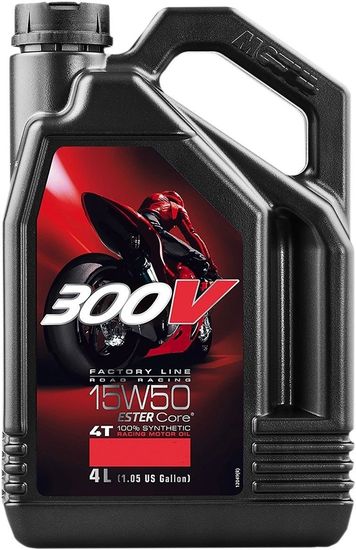

B2B buyers must distinguish between 4-stroke (4T) and 2-stroke (2T) engines. For 4T engines, ensure the oil meets JASO MA or MA2 standards if the motorcycle has a wet clutch to prevent slippage, or JASO MB for scooters with automatic transmissions. Additionally, verify the SAE viscosity grade (e.g., 10W-40, 15W-50) matches the climatic conditions of the target market to ensure optimal cold-start lubrication and high-temperature shear stability.
Suppliers should provide evidence of API (American Petroleum Institute) service categories, such as SN, SM, or SL for modern engines. For European markets, ACEA sequences are critical. Ensure the manufacturer is ISO 9001 certified for quality management and that the product complies with REACH regulations if exporting to the EU. Always request a Material Safety Data Sheet (MSDS) and a Certificate of Analysis (COA) for every production batch to verify chemical consistency.
Full Synthetic oil offers the highest margin and performance, featuring superior thermal stability and longer drain intervals, ideal for high-performance racing bikes. Semi-synthetic provides a balanced cost-to-performance ratio for daily commuters, while Mineral oil is the most economical choice for older engines or break-in periods. Sourcing a mix allows you to cater to different market segments and price points.
For retail, prioritize HDPE (High-Density Polyethylene) bottles with induction-sealed caps to prevent leakage during sea freight. For industrial use, 200L steel drums or IBC tanks are more cost-effective. Ensure the packaging includes UV-resistant labeling and clearly states the production date and batch number. Most high-quality lubricants have a shelf life of 3 to 5 years when stored in a cool, dry environment.
Motorcycle oil is generally classified as non-hazardous for sea freight if it has a high flash point, but it still requires a DGM report or a 'Certification for Safe Transport of Chemical Goods'. You must ensure the supplier is experienced in FCL (Full Container Load) shipping to avoid cross-contamination with food-grade items and to minimize the risk of container leakage claims.
Utilize Trade Assurance services on Made-in-China.com to protect your payment until the goods are dispatched. Conduct a factory audit or hire a third-party inspector (like SGS or Intertek) to perform a loading supervision, ensuring the volume and oil grade loaded match the proforma invoice. Avoid suppliers who cannot provide a traceable batch code on the physical packaging.
Lubricant pricing is heavily tied to Base Oil market indexes (like ICIS). Negotiate based on volume tiers, aiming for a 5-10% discount on orders exceeding 20ft container volumes. Ask for OEM/Private Labeling services to be included in the price, which adds brand value without significantly increasing the unit cost. Also, discuss payment terms like 30% deposit and 70% against the Bill of Lading (B/L) to manage cash flow.
Check the HS Code (typically 271019) for your specific country to determine import tariffs. Be aware that some regions impose environmental taxes or 'Oil Disposal Fees' on petroleum products. Ensure all labels are translated into the local language and include mandatory safety warnings to avoid customs seizures or heavy fines at the port of entry.