
Satisfies 1 requirement
Hot Selling Bag D-Cut Bag for Packing PP Non Woven Bags
US$0.15-0.79
10,000 PCS(MOQ)

I have found results from60000+products and20000+suppliers aboutNon woven packing bag


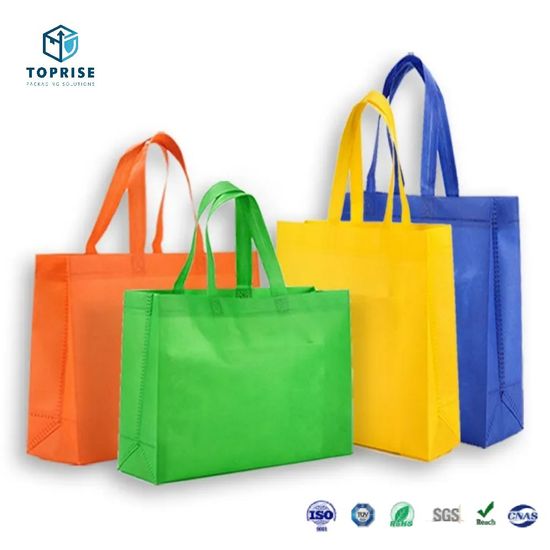


The most critical factor is the GSM (Grams per Square Meter), which determines the bag's thickness and load-bearing capacity. For standard promotional use, 70-80 GSM is sufficient, while heavy-duty grocery or industrial bags require 100-120 GSM. Additionally, verify the sealing method: Ultrasonic heat sealing is cost-effective for light loads, whereas stitched seams (piping) offer significantly higher durability for heavy items. Ensure the material is 100% virgin polypropylene (PP) to guarantee better tensile strength and printing clarity compared to recycled blends.
Choose the printing technique based on your design complexity. Silk-screen printing is ideal for simple 1-2 color logos and is highly durable. For full-color, photographic designs, BOPP lamination (rotogravure printing) is recommended as it provides a waterproof layer and prevents the ink from scratching off. Always request a pre-production sample to check for color accuracy (Pantone matching) and ink adhesion, ensuring the logo does not peel after multiple uses.
To meet international trade requirements, ensure the bags are Lead-free and BPA-free, complying with REACH (EU) or CPSIA (US) standards. If you are marketing the bags as eco-friendly, look for OEKO-TEX Standard 100 or ISO 14001 certification. For specific markets banning single-use plastics, confirm that the non-woven material is classified as reusable (typically defined by a minimum number of uses, such as 125 cycles) to qualify for exemptions.
Non-woven bags are highly versatile. Beyond standard tote bags, consider D-cut bags for lightweight retail, W-cut (vest type) for supermarkets, and drawstring bags for sports or laundry packaging. For the food industry, insulated non-woven bags with an internal aluminum foil layer are essential for temperature maintenance. For electronics, anti-static non-woven sleeves provide necessary protection during transit.
Utilize third-party inspection services (like V-Trust or SGS) to conduct a During Production Check (DUPRO) or a Final Random Inspection (FRI). Focus on the tensile strength of the handles and the weight consistency of the fabric. On platforms like Made-in-China.com, prioritize Audited Suppliers who have undergone on-site verification of their manufacturing capabilities and quality management systems.
Price in this industry is heavily tied to raw material (PP resin) market fluctuations. Negotiate a formula-based pricing for long-term contracts. To lower the Minimum Order Quantity (MOQ), suggest using standard fabric colors that the factory already has in stock. For bulk orders exceeding 50,000 units, aim for a volume discount of 10-15%, and always clarify if the quoted price includes plate-making fees for printing.
Non-woven bags are lightweight but high-volume, meaning volumetric weight can significantly increase shipping costs. Instruct the supplier to use heavy-duty hydraulic pressing during packing to minimize carton volume. For large orders, Sea Freight (FCL or LCL) is the most economical; however, ensure the containers are inspected for moisture and humidity to prevent mold growth during long transit periods. Always use Incoterms 2020 (e.g., FOB or CIF) to clearly define risk transfer.
Avoid high-risk payment methods for initial orders. Use Secured Trading Services provided by reputable B2B platforms like Made-in-China.com to ensure your payment is only released to the supplier after you confirm receipt and quality. For large-scale industrial orders, a Letter of Credit (L/C) or a 30% deposit / 70% balance against Bill of Lading (B/L) is the industry standard for protecting buyer capital.