
Satisfies 1 requirement
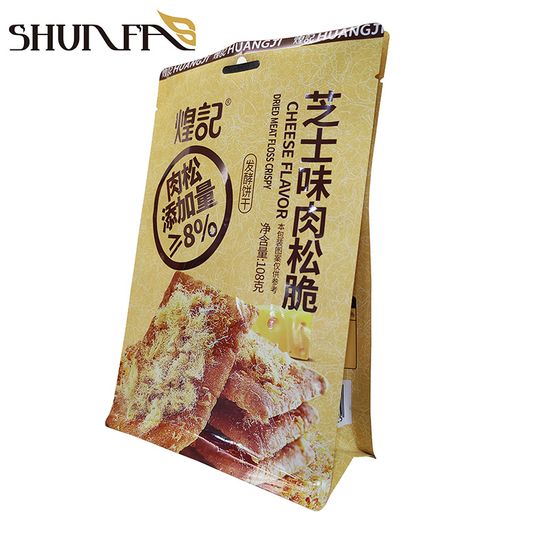
Customized 9 Layer Coex Nylon PA PE Barrier Films Food Grade Soft Glossy Plastic Bag for Vacuum Meat Chicken
US$2.40-2.85
500 kg(MOQ)

I have found results from100000+products and30000+suppliers aboutPlastic bags for meat




When sourcing plastic bags for meat, the primary concern is food-grade safety. You must ensure the materials are BPA-free and comply with FDA (US) or EC 1935/2004 (EU) regulations. For raw meat, High-Density Polyethylene (HDPE) or Polyamide/Polyethylene (PA/PE) co-extruded films are preferred due to their superior puncture resistance and moisture barrier properties.
The thickness, measured in microns (µm) or mils, determines the shelf life. For fresh meat, a thickness of 60-80 microns is standard. For bone-in meat, you require heavy-duty bags (100-150 microns) to prevent bone punctures. High-barrier properties, specifically Oxygen Transmission Rate (OTR) and Water Vapor Transmission Rate (WVTR), are critical to prevent oxidative rancidity and freezer burn.
If you are using vacuum sealing, ensure the bags have a multi-layer structure. PA (Nylon) provides the oxygen barrier, while PE (Polyethylene) ensures a strong heat seal. For home-use vacuum sealers, you may need embossed (textured) bags to facilitate air extraction, whereas industrial chamber sealers use smooth bags.
Meat packaging often undergoes extreme temperatures. Verify that the bags are freezer-safe (down to -18°C or lower) without becoming brittle. If the meat will be cooked in the bag (e.g., Sous Vide), the material must be rated for high-temperature stability (up to 100°C) without leaching harmful chemicals.
Prioritize suppliers with 'Audited Supplier' status. Request third-party lab test reports (such as SGS, Intertek, or TUV) specifically for migration tests, which prove that no hazardous substances transfer from the plastic to the meat. Always request samples to perform a 'seal strength test' and 'leakage test' before placing a bulk order.
Negotiate based on Total Linear Weight or Price per 1,000 units. Since plastic resin prices fluctuate with the oil market, consider asking for a price formula tied to raw material indices for long-term contracts. Aim for a 10-20% discount on volumes exceeding 50,000 units, and clarify if the plate-making fee for custom printing is a one-time charge.
Be aware of Anti-Dumping Duties (ADD) and Single-Use Plastic (SUP) bans in your destination country. Some regions (like the EU) may impose plastic taxes on non-recycled content. For shipping, ensure the bags are packed in heavy-duty corrugated cartons with inner liners to prevent dust contamination and moisture damage during sea freight.
Use Secured Payment services provided by Made-in-China.com to ensure funds are only released after proof of shipment. Define a clear Lead Time clause in your Proforma Invoice (PI), typically 15-25 days for customized printed bags, and include a penalty clause for delays exceeding 7 days to protect your supply chain.