
Satisfies 1 requirement
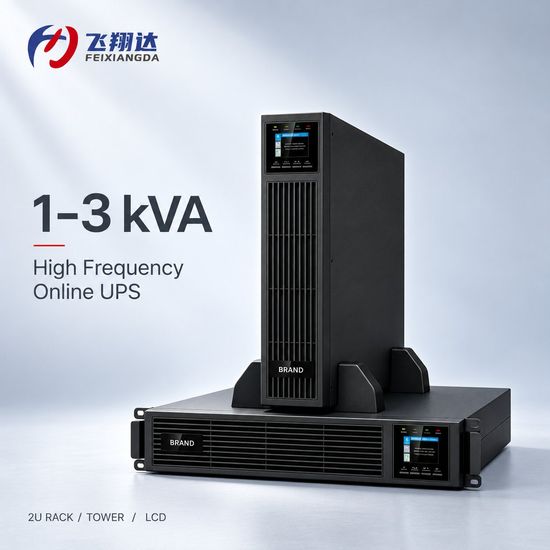
Eaton 9px Marine 1500va 3kVA 220V PF0.9 98% Rack/Tower Pure Sine Wave Single Phase Online UPS for Computers/Servers/Data Rooms/Hospitals Equipment
US$3,366.00-3,696.00
1 Piece(MOQ)

I have found results from90000+products and30000+suppliers aboutRack ups




When selecting Rack Ups, the primary consideration is the load-bearing requirement per level. For heavy-duty industrial use, prioritize Q235B or Q345 cold-rolled steel with a powder-coated finish to prevent corrosion. Ensure the Upright Frame and Beam thickness matches your pallet weight; typically, heavy-duty racks should support 1,000kg to 3,000kg per level. Always request a Load Map from the supplier to verify structural integrity under maximum capacity.
Compliance is non-negotiable for warehouse safety. Ensure the supplier adheres to RMI (Rack Manufacturers Institute) standards for the US market or EN 15512/SEMA standards for Europe. Look for ISO 9001 quality management certification and CE marking. It is critical to confirm that the racking system includes safety pins, floor anchors, and column protectors to prevent accidental collapse due to forklift impact.
The environment dictates the surface treatment. For standard dry warehouses, electrostatic powder coating is sufficient. However, for cold storage or outdoor environments, you must specify Hot-Dip Galvanized (HDG) steel to prevent rust and structural fatigue caused by low temperatures or moisture. Additionally, consider seismic ratings if the installation site is in a high-activity earthquake zone.
Evaluate the Selective, Drive-In, or Push-Back racking types based on your inventory turnover. Selective racks offer 100% accessibility, while Drive-In racks maximize density for high-volume, low-SKU operations. Ensure the aisle width is compatible with your existing forklift turning radius to avoid operational bottlenecks and equipment damage.
The biggest risks are shipping damage and missing components. Due to the weight and length of uprights, improper packing can lead to bending. Insist on steel pallet packaging and bubble wrap protection. Furthermore, verify the HS Code (typically 730890) to calculate accurate import duties and avoid customs delays or unexpected anti-dumping taxes in certain regions.
Utilize Made-in-China.com's Secured Trading services to protect your payments. Before the final balance is paid, hire a third-party inspection agency (like SGS or Intertek) to perform a 'Pre-Shipment Inspection' (PSI). They should check welding quality, coating thickness, and hole alignment to ensure the racks can be assembled correctly upon arrival.
Negotiate based on Total Cost of Ownership (TCO) rather than just the unit price. Ask for volume-based discounts (e.g., 5-10% off for full container loads) and request spare parts like extra safety clips and bolts to be included for free. Clarify the Incoterms—FOB is generally preferred for large-scale racking to maintain control over sea freight costs.
Racking components are 'heavy and bulky,' often requiring 40ft High Cube (HC) containers to maximize space. Ensure the supplier provides a detailed Packing List and Assembly Manual in English. For large projects, ask if the supplier can provide on-site installation guidance or a detailed video tutorial to reduce local labor costs and ensure structural safety.