
Satisfies 1 requirement
Colorful 12-Piece Sensory Stringy Balls for Stress Relief
US$0.20-0.40
10,000 Pieces(MOQ)

I have found results from6000+products and2000+suppliers aboutSensory balls


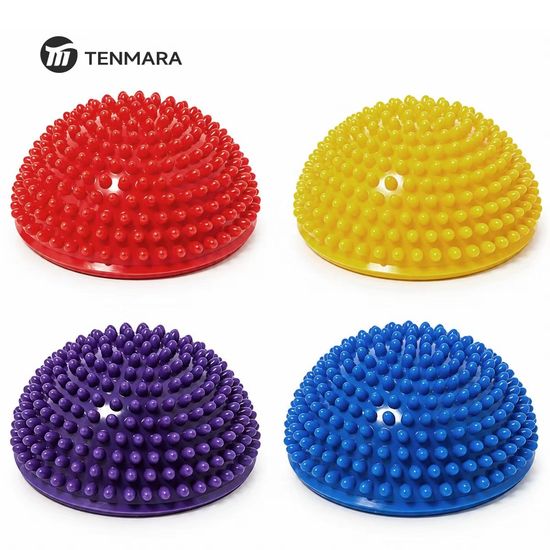


Since sensory balls are primarily used by infants, children, or for therapeutic purposes, they must be BPA-free, Phthalate-free, and Lead-free. For the US market, compliance with ASTM F963 is mandatory, while the EU market requires EN71 (Parts 1, 2, and 3) and CE Marking. Always request REACH certificates to ensure no harmful chemical substances are present in the PVC, silicone, or TPU materials.
A high-quality set should offer a diverse range of textures (e.g., nubby, cratered, ribbed, and smooth) to stimulate tactile development. Ensure the hardness (Durometer) is appropriate for the target age group; infant balls should be soft and squeezable, while therapeutic massage balls require higher density and pressure resistance. Check if the balls feature squeakers or bells, and ensure these components are securely embedded to prevent choking hazards.
Prioritize seamless molding technology to prevent the balls from splitting under pressure. For inflatable versions, verify the anti-burst rating and the quality of the air valve. The colorfastness must meet Grade 4 or higher to ensure pigments do not leach when in contact with saliva or sweat. Request tensile strength test reports to confirm the material can withstand rigorous stretching and squeezing without deformation.
Sensory balls cater to three main segments: Early Childhood Education (preschools and nurseries), Special Needs Therapy (occupational therapy for autism or ADHD), and Elderly Care/Rehabilitation (hand grip strength and reflex stimulation). Understanding your specific niche allows you to choose between bright primary colors for kids or muted, ergonomic designs for clinical environments.
Always conduct a Pre-Shipment Inspection (PSI). Specifically, request a 'Choking Hazard' pull test on any small parts and a smell test to ensure no strong chemical odors (VOCs) are present. Using Made-in-China.com's Secured Trading Service can protect your payment until the quality is verified by a third-party inspector like SGS or Intertek.
Focus on customization and packaging rather than just the unit price. Ask for OEM branding on the mesh bag or color box, which adds significant retail value. For high-volume orders (over 5,000 sets), negotiate for a 3-5% defect allowance or spare units to cover potential shipping damages. Mentioning your intent for long-term seasonal replenishment can often unlock lower 'Tier 3' pricing.
To minimize shipping volume (CBM) and costs, request the balls be shipped deflated if the design allows. If they must be shipped inflated, ensure the master cartons are double-walled (5-ply) to prevent crushing. For sea freight, use desiccant silica gel packs in every carton to prevent mold growth caused by humidity changes during transit through different climate zones.
Verify that the supplier is an Audited Supplier on Made-in-China.com, which confirms their business license and production capabilities. Ensure the Incoterms (e.g., FOB or DDP) are clearly defined in the Proforma Invoice. Be aware of anti-dumping duties or specific toy tariffs in your country; for example, ensure the HS Code (usually 950300) is correctly declared to avoid customs delays or fines.