
Satisfies 1 requirement
Nickel Base Alloy Lost Wax Investment Casting Gas Turbine Wheel Stator Rotor
US$1.00-20.00
100 Pieces(MOQ)

I have found results from100000+products and20000+suppliers aboutStator and rotor for


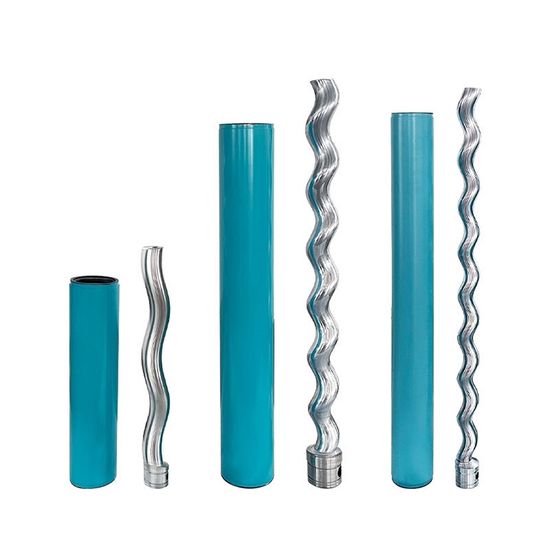


The core material is the most critical factor for motor efficiency. You should prioritize Cold-Rolled Non-Oriented (CRNGO) Silicon Steel with high permeability and low core loss. For high-frequency applications, specify thin laminations (e.g., 0.2mm to 0.35mm) to minimize eddy current losses. Ensure the supplier provides material mill certificates to verify the grade (e.g., 50W470 or 35W300).
For B2B buyers requiring high consistency, Progressive Die Stamping is the gold standard for high-volume production, ensuring tolerances within ±0.02mm. If you are in the prototyping stage, Laser Cutting is more cost-effective. For the rotor, specify whether you require Aluminum Die-Casting or Copper Bar Insertion, as this significantly impacts torque performance and thermal management.
To prevent short circuits and corrosion, ensure the laminations are coated with C5 or C6 insulation varnish. For the finished stator, verify the Insulation Class (Class F or H) of the winding materials if you are purchasing sub-assemblies. Compliance with RoHS and REACH is mandatory for entry into European and North American markets to ensure no hazardous substances are used in the coatings.
A poorly balanced rotor causes vibration and premature bearing failure. Demand a Dynamic Balancing Grade of G2.5 or G6.3 according to ISO 1940-1 standards. For high-speed rotors, ask for Overspeed Testing reports (typically 1.2x the rated speed) to ensure the structural integrity of the laminations and magnets (if permanent magnet rotors are used).
Stators and rotors are highly susceptible to oxidation and rust. Insist that the supplier uses VCI (Volatile Corrosion Inhibitor) bags and vacuum packaging. For heavy bulk orders, use fumigated wooden crates with reinforced steel strapping to prevent shifting, which can damage the delicate lamination edges.
Focus on Tooling Ownership and Life Cycle. Since these parts often require custom molds, clarify in the contract that the buyer owns the die after the tooling fee is paid. Negotiate a unit price reduction once the order volume reaches a specific milestone (e.g., 50,000 units) to amortize the initial setup costs.
Utilize the Secured Trading Services on Made-in-China.com to protect your payments. Before placing a large order, conduct a Factory Audit focusing on their testing equipment, such as CMM (Coordinate Measuring Machines) and magnetic property testers. Avoid suppliers who cannot provide a clear Quality Control Plan (QCP).
Check the HS Code (typically 8503.00) for specific import duties in your country. For heavy industrial components, Sea Freight (FOB or CIF) is the most economical method. However, ensure your forwarder is experienced in handling magnetic materials, as permanent magnet rotors may require a Magnetic Inspection Report for air or sea transport compliance.