
Satisfies 1 requirement
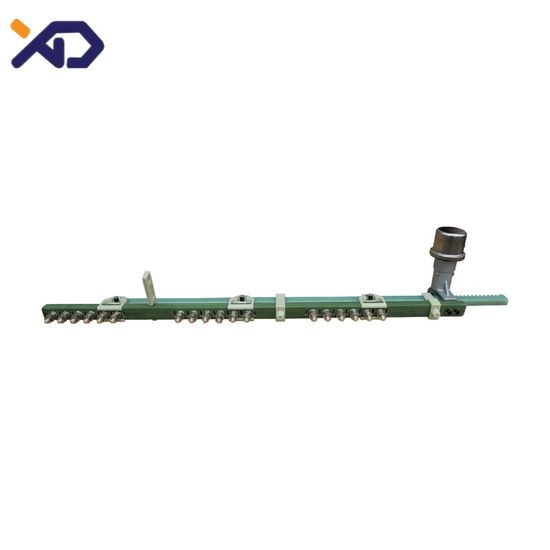
24kv De-energized off-load Tap Changer Bar Form Switcher For Transformer
US$13.00-16.00
100 Pieces(MOQ)

I have found results from30000+products and10000+suppliers aboutTransformer tap changer



Selecting the correct tap changer depends primarily on whether the voltage needs to be adjusted under load. On-Load Tap Changers (OLTC) are essential for networks where constant voltage is required without interrupting the power supply, whereas Off-Circuit Tap Changers (OCTC) are more economical for systems that can be de-energized during maintenance. You must verify the maximum rated current (A) and step voltage (%) to ensure compatibility with your transformer's design.
Buyers should prioritize products that comply with IEC 60214-1 (international standard for tap changers) and IEEE C57.131. Key technical parameters include the number of positions (taps), insulation level (BIL), and short-circuit current withstand capability. For oil-immersed transformers, ensure the tap changer features high-grade vacuum interrupters or arc-resistant contacts to minimize oil carbonization and extend maintenance intervals.
Focus on the mechanical life cycle, which should ideally exceed 200,000 to 500,000 operations for high-quality units. Request Type Test Reports from the supplier covering temperature rise and pressure tests. For safety, ensure the unit includes a pressure relief valve, oil flow monitoring, and a motor drive unit (MDU) with an emergency manual override and clear position indicators.
Modern Vacuum Tap Changers significantly reduce maintenance needs compared to traditional oil-type switches. However, you should still look for suppliers that provide comprehensive O&M manuals and spare parts kits. Regular Dissolved Gas Analysis (DGA) of the transformer oil is recommended to detect any early signs of contact wear or overheating within the tap changer compartment.
The biggest risks are technical mismatch and damage during transit. To mitigate these, always provide the supplier with your transformer's nameplate and wiring diagram for verification. Ensure the packaging meets IP68 protection standards and uses vacuum-sealed moisture-proof packaging inside reinforced wooden crates to prevent corrosion during sea freight.
Utilize the Secured Trading services on Made-in-China.com to protect your payment until the goods are verified. Conduct a factory audit or hire a third-party inspector (like SGS or Intertek) to perform a Pre-Shipment Inspection (PSI). This inspection should specifically check the contact resistance and insulation resistance before the balance payment is released.
Focus on the Total Cost of Ownership (TCO) rather than just the unit price. Negotiate for a longer warranty period (typically 24-36 months) and the inclusion of critical wear-and-tear spare parts. For large projects, request volume-based discounts and ask the supplier to provide technical training videos or remote commissioning support as part of the package.
Transformer tap changers are heavy and sensitive; use Incoterms like CIF or DAP to ensure the supplier handles the complexities of international insurance. Ensure the supplier provides a Certificate of Origin (CO) to benefit from potential tariff reductions under trade agreements. Always verify the HS Code (typically 8537 or 8538) with your local customs broker to calculate accurate import duties.