
Satisfies 1 requirement
Toroidal Inductor Magnetic Core Copper Wire Toroidal Transformer
US$1.00-20.00
100 Pieces(MOQ)

I have found results from80000+products and20000+suppliers aboutTransformer toroidal


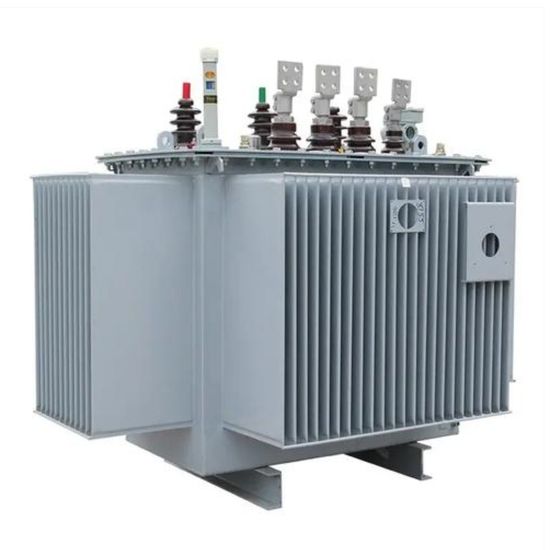


When sourcing toroidal transformers, you must prioritize Power Rating (VA), Input/Output Voltage, and Efficiency. Unlike traditional square transformers, toroids offer lower magnetic leakage and higher efficiency (up to 95%). Ensure the supplier uses 100% pure copper windings rather than copper-clad aluminum (CCA) to prevent overheating. Additionally, verify the core material grade, such as high-permeability silicon steel, which significantly reduces core losses and humming noise.
To ensure market access and safety, products must adhere to UL 5085 (for North America), CE/EN 61558 (for Europe), and RoHS/REACH for chemical safety. For medical-grade applications, look for IEC 60601-1 certification, which guarantees low leakage current and high isolation voltage (up to 4000V AC). Always request valid test reports from accredited third-party labs rather than just self-declaration certificates.
Check the Insulation Class; for industrial use, Class B (130°C) or Class F (155°C) is standard. Ensure the unit includes a built-in thermal protector (thermal fuse) to prevent fire hazards during overloads. For durability, evaluate the encapsulation method—vacuum epoxy resin potting is superior for vibration resistance and moisture protection in harsh environments.
Toroidal transformers are ideal for High-End Audio Equipment (due to low EMI), LED Lighting, Medical Devices, and Renewable Energy Inverters. Most professional manufacturers on Made-in-China.com offer customization for multiple secondary windings, specific mounting methods (center-hole pressure plate or full resin filling), and custom lead wire lengths to fit your specific PCB or chassis design.
Request a Golden Sample for laboratory testing before authorizing mass production. Utilize third-party inspection services (like SGS or Intertek) to conduct a During Production Check (DUPRO) and a Final Random Inspection (FRI). Focus on Hi-Pot testing and load-loss testing during these inspections to ensure the batch meets your technical requirements.
Negotiate based on Total Cost of Ownership (TCO) rather than just the unit price. Ask for tiered pricing (e.g., 500, 1000, and 5000 units) to understand the supplier's scalability. For long-term partnerships, negotiate a Price Adjustment Formula linked to the LME Copper Price index, as raw material fluctuations can significantly impact transformer costs.
Transformers are heavy and sensitive to moisture. Ensure the supplier uses seaworthy packaging, including vacuum-sealed plastic bags, desiccants, and reinforced double-wall corrugated boxes on fumigated pallets. For large orders, FOB (Free On Board) is recommended to maintain control over freight costs and choosing a reliable forwarder experienced in handling heavy electronics.
Always conduct transactions through secure payment channels provided by reputable platforms like Made-in-China.com, which offer trade escrow services. Avoid direct wire transfers to private bank accounts. Ensure the Proforma Invoice (PI) clearly states the technical specifications, lead time, and warranty terms (typically 2-5 years) before making the initial deposit.