SourcingAI

Cube house manufacturers

I have found results from400+products and200+suppliers aboutCube house

Sourcing guidance for Cube House

What are the key technical specifications to consider when selecting a Cube House?

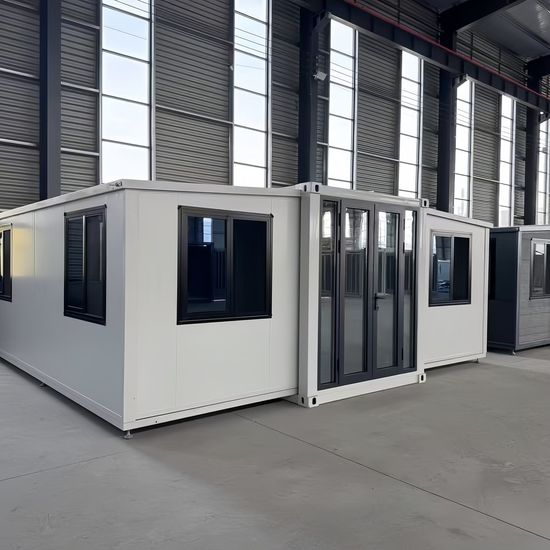
When sourcing a Cube House, prioritize the structural frame material, typically galvanized steel Q235 or Q345, to ensure anti-corrosion and seismic resistance. The wall panels should be made of high-density rock wool or PU (polyurethane) sandwich panels for superior thermal insulation and fireproofing (Class A). Additionally, verify the floor loading capacity (minimum 250kg/m²) and the roof waterproofing system, ensuring it features an integrated drainage design to prevent leakage.

How do I ensure the Cube House meets international compliance and safety standards?

Buyers must confirm that the supplier adheres to ISO 9001 for quality management and CE certification for the European market or ASTM standards for North America. It is critical to check if the electrical and plumbing systems are pre-installed according to the destination country's standards (e.g., UL for USA, AS/NZS for Australia). Always request wind load resistance reports (should withstand at least Grade 11 winds) and snow load ratings if the unit is for cold climates.

What customization and integration capabilities should a professional supplier offer?

A top-tier manufacturer should provide BIM or CAD architectural drawings for approval before production. Look for modular flexibility, allowing for the stacking or joining of units to expand living space. Integration should include pre-wired smart home systems, double-glazed tempered glass windows for energy efficiency, and options for off-grid solar power compatibility. Ensure the supplier can provide a detailed assembly manual or video guidance for local installation teams.

What are the typical usage scenarios for Cube Houses in a B2B context?

Cube Houses are highly versatile and commonly used for eco-friendly resort hotels, temporary site offices, disaster relief housing, and backyard studio pods. Their plug-and-play nature makes them ideal for rapid deployment in remote locations where traditional construction is economically unfeasible. They are also increasingly popular for modular retail pop-up shops and affordable housing projects due to their short lead times and mobility.

Cross-Border Procurement & Risk Management for Cube Houses

What are the primary logistics risks when shipping Cube Houses internationally?

The main risk is damage during maritime transit or high shipping costs due to volume. To mitigate this, choose between Flat-Pack (SOC) shipping to save on freight costs or Fully Assembled (Ready-to-use) units which require specialized 40ft FR (Flat Rack) or HC (High Cube) containers. Ensure the supplier uses heavy-duty protective film and steel bracing inside the container to prevent shifting. Always secure Marine Cargo Insurance covering the full CIF value plus 10%.

How can I verify the credibility of a supplier on Made-in-China.com?

Prioritize Audited Suppliers on Made-in-China.com who have undergone on-site inspections by third-party agencies like SGS or Bureau Veritas. Review their Audit Reports specifically for production capacity and R&D capabilities. It is highly recommended to use Star Direct or similar secure payment services provided by the platform to ensure payment safety and that funds are only released upon proof of shipment or successful third-party pre-shipment inspection.

What negotiation strategies should be used for bulk modular housing orders?

Negotiate based on Total Cost of Ownership (TCO) rather than just the unit price. Request a tiered pricing structure where the price drops by 10-15% for orders exceeding 10 units. Demand a spare parts kit (extra seals, glass panels, and touch-up paint) to be included at no cost. Furthermore, negotiate a retention payment (5-10%) to be paid only after the first unit is successfully assembled and inspected at the destination to ensure quality accountability.

What are the essential precautions for customs clearance and local regulations?

Before the ship departs, confirm the HS Code (typically 940690) with your local customs broker to determine import duties and anti-dumping taxes. Ensure the supplier provides a Certificate of Origin to leverage any Free Trade Agreements (FTA). Most importantly, verify local building permits and zoning laws; some regions require the structure to be certified by a local licensed engineer, so ensure your supplier can provide the necessary structural calculation sheets.

Related queries