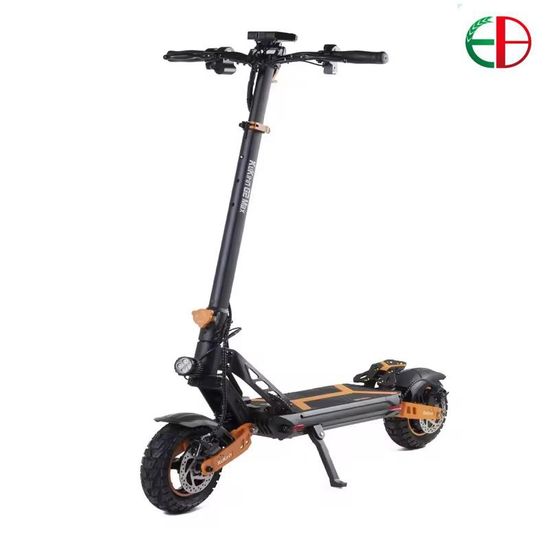
Flipsky off-Road Electric Skateboard 75km/H Speed Test Durable Belt Motor 6384 Comparison

Group D7 Electric Skateboard Kit Includes Dual Fsesc6.7 Plus and 6374 Motors

Group S11 Electric Skateboard Kit (Includes FSESC 6.7 PRO and 6374 Motors)

I have found results from1000+products and400+suppliers aboutElectric skateboard price


The price is primarily driven by the Battery Capacity (Wh) and Motor Type. Boards equipped with Samsung or LG Lithium-ion cells command a premium due to their longevity and safety compared to generic cells. Additionally, Dual Hub Motors or Belt-Drive Systems increase costs but offer superior torque and hill-climbing ability. High-end models often feature Carbon Fiber or Bamboo decks, which are more expensive than standard 7-ply Canadian Maple.
For international trade, especially in the US and EU, UL 2272 certification is the gold standard for electrical system safety to prevent fire risks. Buyers must also ensure the product has CE, RoHS, and FCC certifications. If the skateboard includes a wireless remote, verify UN38.3 certification for the battery to ensure it is legal for air and sea freight.
For 'Last-Mile Commuting,' focus on lightweight designs (under 7kg) and regenerative braking systems, which are mid-priced. For 'Off-Road/All-Terrain' scenarios, prices rise significantly due to the need for pneumatic tires, high-clearance trucks, and dual 1500W+ motors. Professional sourcing should align the IP54 or IP65 water-resistance rating with the buyer's local climate to avoid high return rates.
Entry-level 'Penny' style electric boards range from $120 - $200 (MOQ 50+). Mid-range commuter boards with 20-30km range typically cost $250 - $450. High-performance or carbon fiber boards for enthusiasts start at $600 and can exceed $1,200 per unit at wholesale. Bulk discounts of 10-15% are common when moving from a 10-unit sample order to a full 20ft container.
The primary risk is the classification of Lithium Batteries as Class 9 Dangerous Goods. This leads to higher shipping costs and stricter documentation requirements. To mitigate this, ensure your supplier provides a Material Safety Data Sheet (MSDS) and a Lapse Test Report. For large orders, Sea Freight (LCL/FCL) is the most economical, but you must account for a 30-45 day lead time.
Always utilize Secured Payment services provided by reputable platforms like Made-in-China.com, which offer escrow-style protection. Before transferring large sums, request a Factory Audit report or a third-party inspection (such as SGS or Intertek) to verify that the supplier is a legitimate manufacturer and not a trading company with no quality control.
Instead of only haggling on the unit price, negotiate for spare parts inclusion (extra belts, grip tape, or remote controllers), which usually costs the supplier less but adds high value for your after-sales service. Ask for OEM branding/logo printing to be included in the price for orders exceeding 100 units to build your own brand equity.
Check the HS Code (typically 9503.00 or 8711.60) against your country's latest tariff schedule. For example, US buyers should be aware of Section 301 tariffs on Chinese-made electronics. Working with a supplier on Made-in-China.com who is experienced in DDP (Delivered Duty Paid) shipping can help simplify the process by including all taxes and duties in the final quote.