
Satisfies 1 requirement
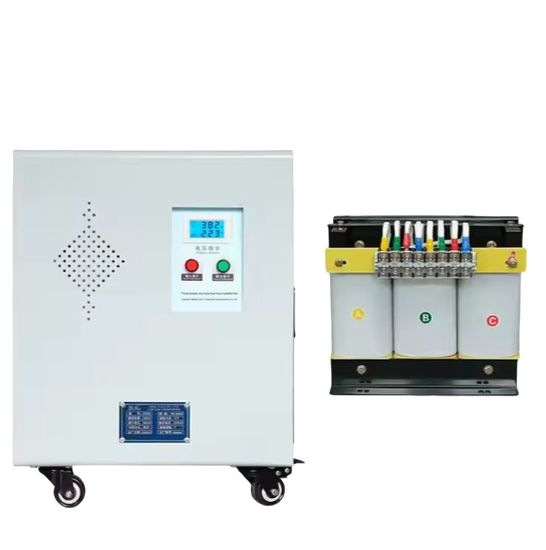
Scb14 2000kVA Cast Resin Dry Type Transformer Mv Power Distribution for Power Station Step Down/up Substation Distribution Transmission Photovoltaic Transformer
US$5,000.00
1 Set(MOQ)

I have found results from100000+products and40000+suppliers aboutDistribution transmission transformer




Buyers must prioritize Rated Capacity (kVA/MVA), Voltage Ratio (e.g., 11kV to 415V), and Vector Group (e.g., Dyn11). It is essential to verify the Insulation Class (Class A, F, or H) and the Cooling Method (ONAN, ONAF, or KNAN). For high-efficiency requirements, ensure the unit meets Tier 2 or Level 1 energy efficiency standards to minimize no-load and load losses.
The transformer must adhere to IEC 60076 (International Electrotechnical Commission) standards for power transformers. For specific markets, look for IEEE/ANSI C57 (North America), CE Marking (Europe), or KEMA certification for short-circuit type tests. Ensure the manufacturer provides Type Test Reports from independent laboratories to guarantee structural and electrical integrity.
High-performance transformers should use Cold-Rolled Grain-Oriented (CRGO) silicon steel for the core to reduce hysteresis loss. Windings should ideally be 99.9% Oxygen-Free Copper for superior conductivity and durability compared to aluminum. Ask for the Current Density and Short-Circuit Withstand Capability to ensure the transformer can handle grid fluctuations without failure.
Transformers are used in Industrial Grids, Renewable Energy Plants (Solar/Wind), and Urban Residential Distribution. If the installation is in a coastal or high-humidity area, specify C5-M corrosion protection for the tank. For indoor or fire-sensitive environments, Cast Resin Dry-Type Transformers are preferred over oil-immersed types due to their self-extinguishing properties and lack of leakage risk.
Transformers are heavy and sensitive equipment. Ensure the supplier uses Seaworthy Vacuum Packaging and Nitrogen Filling for large units to prevent moisture ingress. Demand Impact Recorders be installed on the crate to monitor G-forces during transit. Use Incoterms like CIF or CIP and ensure the insurance policy covers 'Institute Cargo Clauses (A)' for the most comprehensive protection.
Focus on the Total Cost of Ownership (TCO) rather than just the initial purchase price; a cheaper transformer with higher losses will cost more over 20 years. Negotiate a Retention Payment (typically 10%) to be released only after successful Site Acceptance Testing (SAT). For large orders, request a Factory Acceptance Test (FAT) via video link or third-party inspection to verify performance before balance payment.
Verify the supplier's ISO 9001, ISO 14001, and OHSAS 18001 certifications. When sourcing through Made-in-China.com, prioritize Audited Suppliers who have undergone on-site inspections by third-party agencies like SGS or Bureau Veritas. Use Secure Payment methods and always cross-check the bank account details provided in the Proforma Invoice with the company's registered name.
Due to the extreme weight, you must confirm the Load-Bearing Capacity of the discharge port and the availability of Heavy-Lift Cranes. For inland transport to the final destination, a Route Survey may be required to check bridge load limits and overhead clearance. Ensure the supplier provides a detailed Packing List and HS Code (typically 8504) to avoid customs delays and ensure correct tariff application.