
Satisfies 1 requirement
Encapsulated Three Phase Pole Mounted Transformer with Good Price
US$1,000.00-3,000.00
1 Piece(MOQ)

I have found results from10000+products and4000+suppliers aboutEncapsulated transformer


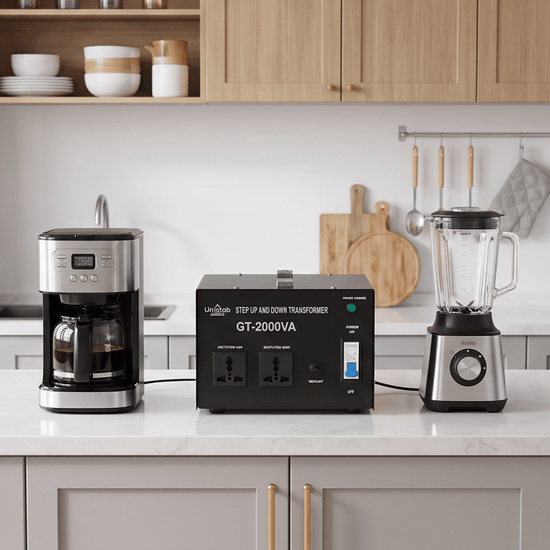


Selecting an encapsulated transformer requires a focus on thermal management and environmental protection. You must prioritize units with vacuum epoxy resin encapsulation, which ensures the core and windings are protected from moisture, dust, and corrosive atmospheres. For industrial PCB mounting, verify the dielectric strength (typically ≥4000Vrms) and ensure the product meets UL 94V-0 flame retardant standards to prevent fire hazards in enclosed cabinets.
Buyers should strictly evaluate the Input/Output voltage ratings, power capacity (VA), and frequency range (50/60Hz). Pay close attention to the Temperature Class (e.g., Class B 130°C or Class F 155°C) to ensure the transformer can handle the heat generated during continuous operation. Additionally, confirm the pin layout and dimensions match your PCB footprint to avoid costly redesigns.
For the North American market, UL or CSA certification is essential for safety and insurance compliance. For the European market, look for CE marking and EN 61558-1/EN 61558-2-6 compliance, which covers safety for power transformers. Furthermore, all components must be RoHS and REACH compliant to ensure they are free from hazardous substances like lead and cadmium.
Encapsulation provides superior mechanical stability, protecting delicate copper windings from vibration and physical shock. It also acts as a heat sink, distributing thermal energy more evenly across the resin block. This results in a longer service life (often exceeding 10-15 years) and significantly reduces the risk of short circuits caused by oxidation or humidity ingress.
The primary risks include substandard raw materials (e.g., using copper-clad aluminum instead of pure copper) and counterfeit safety certifications. To mitigate this, always request a Full Type Test Report from a third-party lab and use Made-in-China.com's 'Audited Supplier' reports to verify the factory's actual production capacity and quality control systems.
Encapsulated transformers often require custom voltage ratios. When negotiating, bundle your annual projected volume to secure lower unit prices, even if you release the orders in smaller batches. Ask for free golden samples for engineering validation before paying the 30% production deposit. For bulk orders, aim for a 15-20% discount compared to off-the-shelf retail pricing.
Transformers are heavy and contain magnetic cores that can be brittle. Ensure the supplier uses custom-fit foam inserts and double-walled corrugated boxes. For sea freight, specify vacuum-sealed plastic packaging inside the cartons to prevent salt-air corrosion. Always clarify the Incoterms (FOB is recommended) to maintain control over the shipping costs and insurance.
Avoid direct wire transfers to unknown accounts. Utilize Secured Trading Services provided by platforms like Made-in-China.com to ensure your payment is only released to the supplier after you confirm receipt and inspection of the goods. For high-value orders, consider a third-party pre-shipment inspection (PSI) to verify the quantity and quality at the factory gates.