Satisfies 1 requirement
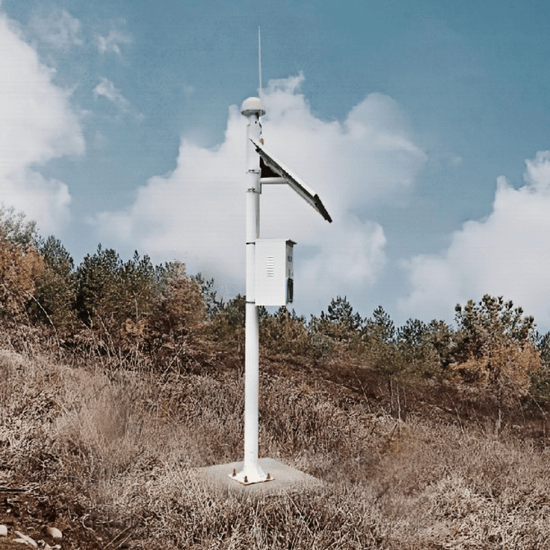
All-in-One Gnss Receiver Antennas Static IP67 Rated -45~75 Machine Slope Geological Disaster Monitoring Dam Bridge Mine
US$1,099.00
10 Pieces(MOQ)

I have found results from10000+products and6000+suppliers aboutGnss receiver


When sourcing GNSS receivers for surveying or GIS, prioritize multi-constellation support (GPS, GLONASS, Galileo, BeiDou) to ensure signal stability in obstructed environments. Look for RTK (Real-Time Kinematic) accuracy levels of 8mm + 1ppm horizontal and 15mm + 1ppm vertical. Additionally, ensure the device features IMU-based tilt compensation (up to 60 degrees) which allows for accurate measurements without perfectly leveling the pole, significantly increasing field efficiency.
Cross-border buyers must verify the IP (Ingress Protection) rating, with IP67 or IP68 being the industry standard for dust-tightness and immersion in water. Furthermore, check for MIL-STD-810G certification, which guarantees the receiver can withstand 2-meter pole drops onto concrete and operate in extreme temperatures ranging from -40°C to +75°C.
The receiver should support 4G LTE, Bluetooth, Wi-Fi, and UHF Radio (410-470MHz) for seamless data transmission between the base and rover. Ensure compatibility with NTRIP protocols for CORS network connections. For software integration, verify that the device outputs data in NMEA-0183 format and is compatible with mainstream field software like SurvX, FieldGenius, or LandStar.
Since GNSS receivers use radio frequencies, they must comply with regional telecommunications regulations. Ensure the supplier provides CE-RED (Radio Equipment Directive) for the EU market or FCC certification for the United States. Additionally, RoHS and REACH compliance is necessary to ensure the absence of hazardous substances in the electronic components.
Always request a pre-shipment inspection (PSI) by a third-party agency to verify the static and dynamic accuracy of the units. For high-value GNSS orders, use Secure Payment services on Made-in-China.com to ensure funds are only released after the goods pass quality verification. Avoid suppliers who cannot provide a calibration certificate for each serialized unit.
Focus on Total Cost of Ownership (TCO) rather than just the unit price. Negotiate for extended warranties (24-36 months) and the inclusion of perpetual software licenses for field controllers. If purchasing in bulk (10+ units), ask for free spare parts kits (batteries, antennas, cables) which typically account for 5-10% of the maintenance cost.
GNSS receivers usually contain internal lithium-ion batteries, which are classified as Dangerous Goods (UN3481). Ensure the supplier provides a Material Safety Data Sheet (MSDS) and UN38.3 test report. Use specialized couriers experienced in battery logistics to avoid customs seizures or shipping delays, and confirm that the packaging meets IATA standards for air freight.
Before finalizing the contract, confirm the supplier's Remote Technical Support capabilities (via TeamViewer or WhatsApp). High-tier suppliers on Made-in-China.com often provide video training sessions and have a 72-hour turnaround policy for firmware-related issues. For hardware repairs, negotiate a 'replacement instead of repair' clause for the first 12 months to minimize downtime caused by international shipping.