Satisfies 1 requirement
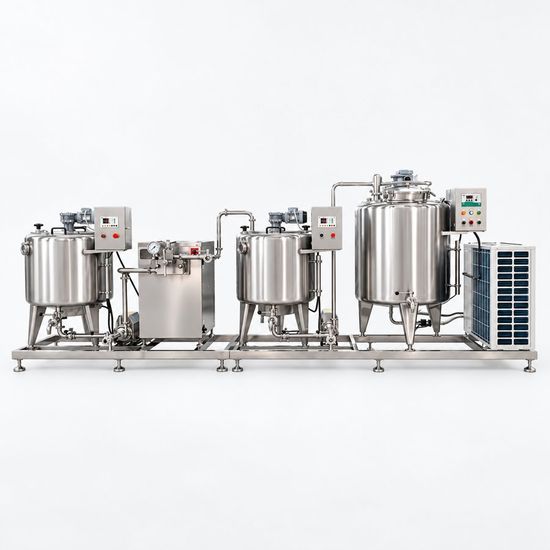
Ice Cream Pasteurization Machine for Heat Treatment of Mix Before Aging Operations
US$2,000.00
1 Piece(MOQ)

200000+ products and 100000+ suppliers results




Buyers must prioritize temperature uniformity (typically within ±5°C for high-end applications) and heating element durability. Ensure the equipment features advanced PLC control systems (such as Siemens or Omron) for precise thermal cycling. For vacuum furnaces, verify the ultimate vacuum level (e.g., 5×10⁻³ Pa) and leak rate to ensure process integrity. Additionally, check the insulation material quality, favoring high-density ceramic fibers or graphite felt to maximize energy efficiency and reduce heat loss.
For the European market, CE marking is essential, specifically compliance with the Machinery Directive 2006/42/EC and Low Voltage Directive 2014/35/EU. For North America, look for UL or CSA certification. If the machinery is used in the aerospace or automotive sectors, ensure the supplier understands AMS2750G (Pyrometry) or CQI-9 standards, which dictate strict requirements for temperature sensors and instrumentation calibration.
Safety is paramount due to high temperatures and potential atmospheres. Confirm the inclusion of over-temperature protection devices, emergency stop buttons, and automatic gas shut-off valves. For atmosphere furnaces (e.g., carburizing), ensure there are flame curtain burners and explosion-proof ports. Request a factory acceptance test (FAT) report to verify that all safety interlocks function correctly under load.
Induction heating machines are ideal for localized hardening and high-speed production lines. Box-type or Muffle furnaces are best for general-purpose laboratory work or small-batch tool steel hardening. For large-scale industrial components like gears or shafts, Pit-type or Continuous mesh belt furnaces offer the necessary volume and throughput. Vacuum furnaces are the gold standard for high-value aerospace parts to prevent oxidation and decarburization.
Heat treatment machinery is heavy and contains sensitive electronics. Require the supplier to use vacuum-sealed plastic wrapping to prevent sea-salt corrosion and heavy-duty wooden crates (IPPC certified). Ensure the machinery is bolted to the container floor to prevent shifting. It is highly recommended to purchase All-Risk Marine Insurance and include 'impact indicators' on the packaging to detect rough handling during transit.
Focus on the Total Cost of Ownership (TCO) rather than just the sticker price. Negotiate for a longer warranty period (e.g., 24 months) and the inclusion of critical wear parts (heating elements, thermocouples) for the first two years of operation. Use Made-in-China.com's Secured Trading services to ensure payment is only released upon reaching specific milestones, such as successful shipment or third-party inspection.
Before finalizing the contract, confirm if the supplier provides remote diagnostic capabilities via internet-connected PLCs. Ask for installation supervision and commissioning services—many top-tier suppliers on Made-in-China.com offer on-site technician deployment or detailed video installation guides. Verify the availability of English-language operation manuals and technical support response times (ideally within 24 hours).
Always conduct a factory audit or hire a third-party agency (like SGS or TÜV) to perform a Pre-Shipment Inspection (PSI). This ensures the machine's specifications match the Proforma Invoice. For payments, utilize Letters of Credit (L/C) or Escrow services provided by reputable platforms to mitigate financial risk. Avoid transferring large sums to private bank accounts; always use the verified corporate account listed on the supplier's profile.