SourcingAI

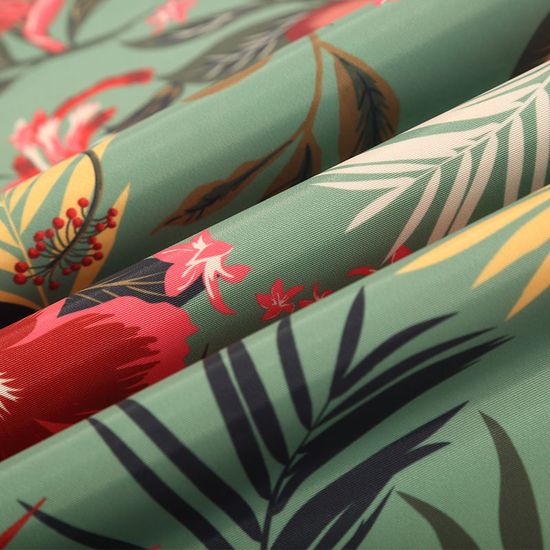
High fashion fabric

200000+ products and 60000+ suppliers results

Commonly Used:
US$
—
Customization Available
Sample Available
Manufacturer First
Product Attributes:
Type: Function
Synthetic Fiber Fabric
Raw Yarn: Wool
Technics: Knitted
Usage: Suit
Pattern: Yarn Dyed
Width: 57/58"
Weight: 200-340GSM
Style: Plain
Fiber Types: Filament
Application: Home Textile
Function: Tear-Resistant
Physical Feature: High Strength
Fiber Cross Section: Hollow Filament
Edge Detail: Embroidered Edge
Features: Wrinkle Resistant
Lace Craft: Embroidery Lace
Manual Process: Around
Material: Polyester
Transparency: Semi-Transparent
Knitting Technics: Weft
Feature: Waterproof
Certification: ISO9001
Thickness: Light Weight
Texture: Smooth
Fiber Type: Filament
Color: Black
Synthetic Carbon Chain
Applications: Garment
Certifications: CE
Coated Type: PE Coated
Length: Customized
Shape: Customized
Species: Machine Knitting
Reflective Brightness: Highlight Reflective
Standard Reflective Material
Synthetic Rubber, Pad
Pure Gum Rubber Sheet and Fabric
Raw Silk Grade: 6A
Raw Silk Roll Shape: Reeled Silk
Embroidery Type: 3D Embroidery
Technics: Woven
Technics: Embroidered
Technics: Weft Knitting
Usage: Overcoat
Usage: Jacket
Usage: Trousers
Usage: Garment
Usage: Home Textile
Usage: Bag
Usage: Agriculture
Usage: Hospital
Usage: Industrial
Usage: Shoes
Usage: Decoration
Usage: Industry
Usage: Security
Usage: Printing
Rubber Floor Covering
Usage: Bedding
Usage: Auto Upholstery
Pattern: Dobby
Pattern: Dot
Pattern: Plain
Pattern: Customized
Pattern: Jacquard
Pattern: Printed
Width: 58/60''
Width: 57/58''
Width: 58/60"
Width: Customized
Width: 114/140"
Weight: 100-200g/m²
Weight: 100-200GSM
Style: Batten
Style: Jacquard
Style: Plain Dyed
Style: Twill
Style: Printed
Fiber Types: Textured Yarn
Fiber Types: Short Fiber
Application: Garment
Application: Shoes
Application: Bag
Application: Dress
Application: Lining
Application: Accessories
Application: Apparel Manufacturing
Sportswear & Leisure
Application: Workwear
Application: Curtain
Function: Waterproof
Function: Flame Retardant
Function: Shrink-Resistant
Function: Anti-Static
Function: Memory
High Strength Fiber
Function: Pilling-Resistant
Function: Heat-Insulation
Function: Black-out
Function: Black-Out
Function: Flame-Retardant
Function: Oil-Resistant
Physical Feature: Low Strength
Physical Feature: Medium Strength
Fiber Cross Section: GOAT
Features: Breathable
Features: Elastic
Features: Waterproof
Polyamide Fiber (Nylon)
Material: 100% Cotton
Nylon / Spandex
Material: 100% Polyester
Material: Neoprene
Material: 100% Acrylic
Knitting Technics: Warp
Feature: Eco-Friendly
Feature: Breathable
Feature: Windproof
Feature: Anti-Crease
Feature: Anti-Hydraulic Pressure
Feature: Anti-UV
Feature: Oil-Proof
Feature: Down-Proof
Feature: Ripstop
Feature: Anti-Bacterial
Feature: Anti-Pull
Feature: Anti-Static
Feature: Anti-Tear
Feature: Shrink-Resistant
Feature: Abrasion-Resistant
Feature: Mothproof
Feature: Quick-Dry
Feature: Anti Pilling
Feature: Black-Out
Feature: High Temperature-Resistant
Feature: Machine Washable
Feature: Skin-Friendly
Feature: Wear-resistant
Feature: Heat-resistant
Feature: Cold-resistant
Feature: Anti-Distortion
Certification: ISO14000
Thickness: Medium Weight
Color: Colorful/Customized
Applications: Hospital
Applications: Industry
Certifications: CRI
Certifications: European Flax
Certifications: GOTS
Certifications: GRS
Certifications: OCS
Oeko-Tex Standard 100

Sourcing guidance for High Fashion Fabric

What are the key technical specifications to consider when sourcing high fashion fabrics?

When evaluating high fashion fabrics, you must prioritize fiber composition, fabric weight (GSM), and weave structure. For luxury garments, ensure the silk grade is 6A or higher, or if using synthetics, look for high-tenacity yarns that mimic natural lusters. Colorfastness to light and washing should meet a minimum of Grade 4 on the grayscale to prevent fading. Additionally, verify the drape coefficient to ensure the material aligns with the intended silhouette of the fashion design.

Which compliance standards and certifications are essential for international textile trade?

To ensure market access and consumer safety, fabrics should ideally carry the OEKO-TEX® Standard 100 certification, which guarantees the absence of harmful substances. For sustainable fashion lines, look for GOTS (Global Organic Textile Standard) or GRS (Global Recycled Standard) certifications. If exporting to the EU, compliance with REACH regulations is mandatory, while US-bound goods must adhere to FTC fiber labeling requirements and CPSC flammability standards (16 CFR Part 1610).

How can buyers validate the quality of high-end fabrics before bulk production?

Always request a strike-off (for prints) or a lab dip (for solid colors) to approve color accuracy under standard lighting (D65). It is critical to perform a shrinkage test; high fashion fabrics should have a residual shrinkage of less than 3%. For delicate materials like lace or chiffon, request a seam slippage test report to ensure the fabric can withstand garment construction without tearing at the needle holes.

What functional treatments are currently trending in the high fashion textile sector?

Modern high fashion often integrates functionality with aesthetics. Consider fabrics with anti-static finishes to improve drape, moisture-wicking treatments for luxury athleisure, or wrinkle-resistant coatings for travel-wear collections. Digital textile printing (DTP) is also a key technology, allowing for unlimited color palettes and low water consumption, which appeals to eco-conscious high-end brands.

Cross-Border Procurement Strategies for High Fashion Fabrics

How can I mitigate the risks of quality inconsistency in cross-border fabric sourcing?

Quality variance between sample and bulk is a common risk. To mitigate this, utilize third-party inspection services (like SGS or Intertek) to conduct During Production Checks (DUPRO) and Final Random Inspections (FRI). Ensure your contract specifies that the bulk must match the approved 'Golden Sample'. For secure transactions, use Made-in-China.com's secured payment services to ensure funds are only released upon successful quality verification.

What are the best practices for negotiating with premium textile suppliers?

Focus on Total Cost of Ownership (TCO) rather than just the price per meter. Negotiate for lower MOQs on trial colors in exchange for a commitment to larger volumes on core colors. Ask for selvage branding (weaving your brand name into the fabric edge) as a value-add for high-end positioning. Always clarify lead times for greige fabric availability versus finished fabric to avoid production bottlenecks.

What shipping and logistics precautions should be taken for delicate fashion fabrics?

High fashion fabrics are susceptible to moisture and pressure damage. Insist on double-layer plastic wrapping and sturdy cardboard tubes to prevent creasing. For sea freight, specify the use of desiccant silica gel packs inside containers to prevent 'container rain' and mold. For high-value silks or hand-embroidered fabrics, air freight is recommended to minimize transit time and handling risks.

How do international trade policies affect fabric procurement?

Stay informed about Rules of Origin under various Free Trade Agreements (FTAs), which can significantly reduce import duties. Check the Harmonized System (HS) Codes (typically Chapter 50-60) to calculate accurate tariffs. Be aware of anti-dumping duties that may apply to specific synthetic fibers originating from certain regions, and ensure your supplier provides a comprehensive Certificate of Origin.

Related queries