
Satisfies 1 requirement
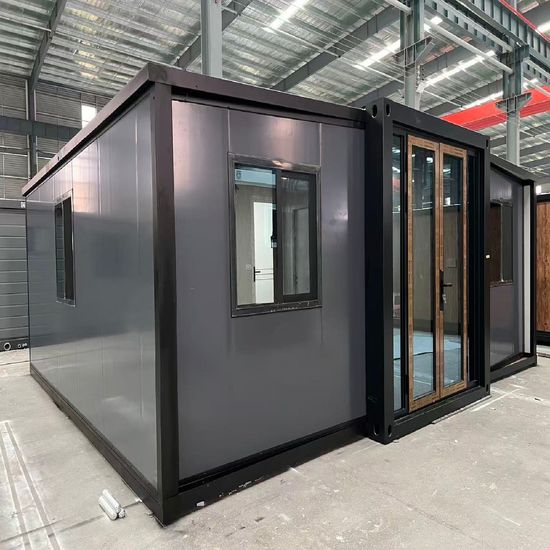
M30L Popular Mobile Modern Space Steel Capsule Prefabricated Home
US$700.00
1 Piece(MOQ)

200000+ products and 90000+ suppliers results




Buyers must prioritize structural integrity and material grade. Ensure the steel frame uses Q235 or Q345 galvanized steel to prevent corrosion. The wall panel thickness (typically 50mm to 150mm) and material (such as Rockwool or PU sandwich panels) are critical for thermal insulation and fire resistance. Additionally, verify the wind load resistance (should be ≥0.6KN/㎡) and seismic fortification intensity (typically Grade 7 or 8) to ensure safety in specific geographic locations.
Compliance is non-negotiable in construction. You should request ISO 9001 certification for manufacturing quality and CE marking for European markets or ASTM standards for North America. Ensure the supplier provides SGS or Intertek test reports for fireproofing (Class A) and environmental safety. It is vital to confirm that the electrical and plumbing systems pre-installed in the modules meet your local national building codes to pass final inspections.
A top-tier supplier should provide BIM (Building Information Modeling) or CAD design support to allow for layout modifications. Check if they offer modular flexibility, enabling you to expand the structure in the future. Integration with smart home systems and compatibility with renewable energy sources like solar panel mounting brackets are increasingly important for modern B2B procurement projects.
Beyond the initial purchase price, calculate the Total Cost of Ownership (TCO) by including ocean freight, import duties, foundation construction, and on-site assembly labor. Prefabricated homes can reduce labor costs by 30-50% compared to traditional builds. Look for suppliers who offer flat-pack shipping to maximize container space and reduce logistics expenses by up to 40%.
Always conduct a pre-shipment inspection (PSI) through a third-party agency to verify the zinc coating thickness and welding quality. Use secure payment methods like Letter of Credit (L/C) or trade assurance services provided by reputable platforms like Made-in-China.com to ensure funds are only released upon proof of shipment and quality compliance.
Focus on long-term partnership value rather than just the lowest unit price. Negotiate for spare parts (extra bolts, sealant, touch-up paint) to be included at no cost. Request a detailed packing list where every component is numbered; this is crucial for reducing on-site assembly errors and saving time during the construction phase.
Steel components are heavy and bulky. Ensure the supplier uses seaworthy packaging with reinforced steel pallets to prevent bending during transit. Confirm the Incoterms clearly; CIF (Cost, Insurance, and Freight) is often preferred for beginners, but FOB (Free On Board) allows experienced buyers better control over the shipping timeline and local port charges.
Verify the HS Code (typically 940690 for prefabricated buildings) to check for anti-dumping duties or specific tariffs in your country. Ensure the supplier provides a Certificate of Origin to benefit from potential Free Trade Agreements (FTA), which can significantly reduce your import tax burden.