
Satisfies 1 requirement
We Export Frozen Best Selling Squid Ring with Best Quality
US$1.60-2.00
10,000 kg(MOQ)

I have found results from3000+products and1000+suppliers aboutSquid rings


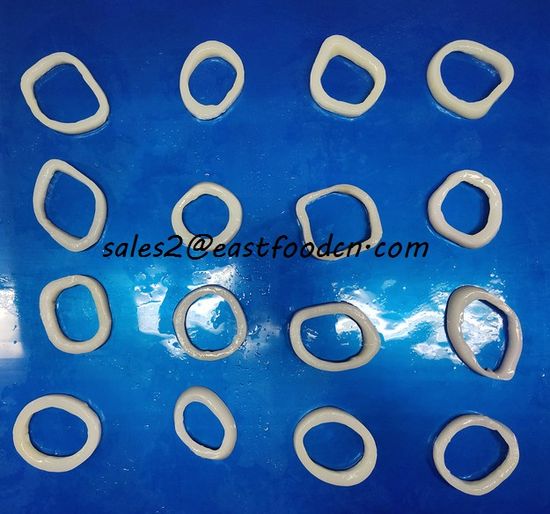


When evaluating quality, focus on the glazing percentage, processing method, and sensory attributes. High-quality squid rings should have a uniform white color without yellowing (which indicates oxidation). Ensure the glazing (ice coating) is clearly specified, typically ranging from 10% to 30%; excessive glazing artificially inflates weight. The texture should be firm and elastic after thawing, not mushy. Additionally, verify if the product is 'Chemical Free' or treated with additives like STPP (Sodium Tripolyphosphate) for moisture retention, as this affects both weight and culinary performance.
The choice of species depends on your market's price point and culinary requirements. Todarodes Pacificus (Japanese Flying Squid) is prized for its premium flavor and texture. Illex Argentinus (Argentine Shortfin Squid) is a global standard for high-volume processing due to its excellent cost-to-quality ratio. For larger, more economical rings, Dosidicus Gigas (Giant Squid) is often used, though it requires specialized acid-removal processing to eliminate its natural bitter taste. Always confirm the Latin name with the supplier to ensure transparency.
To ensure food safety and legal entry into major markets, suppliers must possess HACCP (Hazard Analysis and Critical Control Point) and ISO 22000 certifications. For the EU market, the processing plant must be EU-approved with a valid registration number. For the US market, FDA registration is required. Furthermore, sustainability certifications like MSC (Marine Stewardship Council) are increasingly vital for high-end retail and corporate social responsibility (CSR) compliance.
Most B2B buyers prefer Skin-off (cleaned) rings for convenience and aesthetic appeal. Blanched (pre-cooked) rings offer lower shrinkage rates during final preparation and are ideal for salad manufacturers or buffet catering. Raw frozen rings are better suited for breading (calamari) or restaurant frying, as they retain more natural juices. Specify the diameter (3-7cm) and thickness (1-1.5cm) to match your specific end-use application.
Weight fraud via excessive glazing is a common risk. You should mandate a Net Weight Guarantee in the contract. Hire a third-party inspection agency (like SGS or BV) to perform a de-glazing test before shipment. Ensure the Bill of Lading and Packing List clearly distinguish between Gross Weight, Net Weight, and Drained Weight to avoid paying for ice.
When using Made-in-China.com, prioritize Audited Suppliers who have undergone on-site verification. Negotiate based on seasonal catch cycles; prices for Illex or Todarodes fluctuate based on annual landing volumes. Request a Production Sample but acknowledge that seafood varies; therefore, establish a Quality Tolerance Level (QTL) in your agreement regarding size uniformity and broken ring percentages.
Squid rings must be shipped in Reefer Containers (RF) maintained at a constant -18°C (-0.4°F) or lower. Request the supplier to place a Temperature Data Logger inside the container to monitor fluctuations during transit. Ensure the 'Cold Chain' remains unbroken from the factory to your warehouse, as temperature spikes cause protein denaturation and freezer burn.
Check the HS Code (typically 030743) for specific import duties in your country. Be aware of IUU (Illegal, Unreported, and Unregulated) Fishing regulations; you must obtain a Catch Certificate from the supplier to prove the squid was legally harvested. Failure to provide this documentation can lead to customs seizure or heavy fines.