
Satisfies 1 requirement
Cheap Price Customize Size AISI ASTM 304 316 430 Stainless Steel Welded Inox Metal Tube Ss Pipe Tube
US$800.00-1,200.00
10 Tons(MOQ)

200000+ products and 90000+ suppliers results


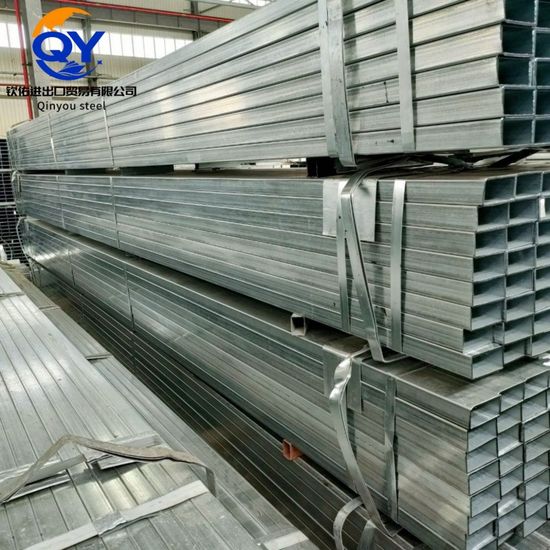


When sourcing steel tubes, you must prioritize Outer Diameter (OD), Wall Thickness (WT), and Length. For precision engineering, specify the tolerance levels (e.g., +/- 0.05mm). It is essential to distinguish between Seamless (SMLS) tubes for high-pressure environments and Welded (ERW) tubes for structural use. Additionally, verify the Steel Grade (such as ASTM A53, A106, or Q235) to ensure the mechanical properties like tensile strength and yield strength meet your project requirements.
Steel tube sizes are governed by various international standards such as ASTM (American), DIN (German), JIS (Japanese), and EN (European). A common pitfall is the difference between Nominal Pipe Size (NPS) and actual outside diameter. You must ensure the supplier provides a Mill Test Certificate (MTC) according to EN 10204 3.1 to guarantee that the dimensions and chemical composition align with your local building codes or manufacturing standards.
To prevent corrosion, especially in cross-border shipping, you should request specific surface finishes. Hot-dip Galvanizing (HDG) is the gold standard for long-term rust prevention. For aesthetic or indoor use, Powder Coating or Black Painting/Oiling may suffice. For high-end applications, Pickling and Passivation are necessary for stainless steel tubes to maintain their protective oxide layer.
Request a Pre-shipment Inspection (PSI). The inspector should use calibrated vernier calipers and ultrasonic thickness gauges to verify that the sizes match the packing list. Ensure the ovality (out-of-roundness) is within the allowable limit, as excessive ovality can cause significant issues during welding or installation in automated systems.
The biggest risks include rusting during sea transit and anti-dumping duties. To mitigate moisture damage, insist on seaworthy packaging, including plastic end caps and waterproof wrapping. Regarding trade barriers, consult with a customs broker to check for Anti-Dumping (AD) or Countervailing Duties (CVD) on steel products from the specific origin country to avoid unexpected costs at the port of entry.
Focus on Volume-Based Pricing and Weight Calculation Methods. Clarify whether the price is based on Theoretical Weight (calculated by dimensions) or Actual Weight (scale weight), as this can lead to a 3-5% price variance. For long-term partnerships, negotiate a price adjustment clause linked to global raw material indexes (like the London Metal Exchange) to manage price volatility.
Due to the weight and length, 20ft containers are often preferred over 40ft to avoid exceeding weight limits, unless the tubes are exceptionally long. Ensure the supplier uses steel strapping and wooden dunnage to prevent shifting during transit. For large-scale projects, consider Breakbulk shipping to reduce costs compared to containerization, provided the port of destination can handle non-containerized cargo.
Always use Secured Payment services provided by reputable platforms like Made-in-China.com to ensure funds are only released upon proof of shipment. For large contracts, utilize a Letter of Credit (L/C at sight) to protect both parties. Never transfer full payments to private bank accounts; always verify that the beneficiary name matches the company name on the business license.