
Satisfies 1 requirement
Durable T Lock Tile Leveling System and Tile Spacer by Jingjiulong
US$0.50-0.90
1 Bag(MOQ)

I have found results from9000+products and2000+suppliers aboutTile spacer


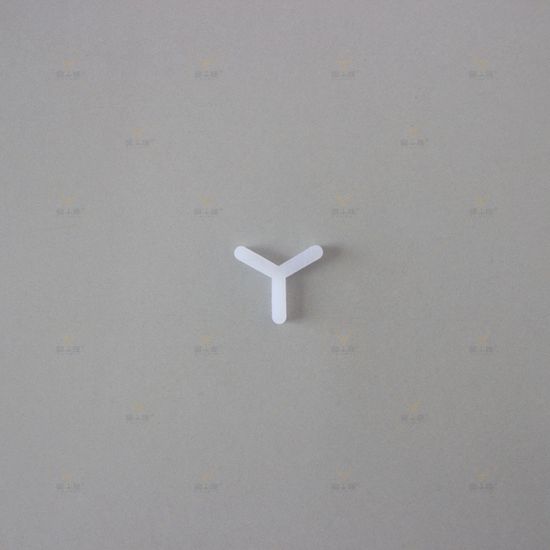
Selecting the right spacer depends on the tile type and desired grout line width. For standard wall tiles, 1mm to 2mm spacers are common, while floor tiles often require 3mm to 5mm to accommodate structural movement. You should choose between traditional cross-shaped spacers for standard grids, T-shaped spacers for offset or brick patterns, and long-leg spacers to prevent 'bottoming out' in deep joints. For large-format tiles, always recommend tile leveling systems (wedge and clip) to eliminate lippage and ensure a perfectly flat surface.
High-quality spacers are typically made from virgin PE (Polyethylene) or PP (Polypropylene). These materials provide the necessary rigidity to hold tile weight while maintaining enough flexibility for easy removal. Avoid spacers made from recycled plastics that are brittle, as they may snap off inside the grout line. For reusable leveling systems, ensure the T-pins are made of high-strength stainless steel to prevent rusting and bending during repeated use.
A professional system must feature high tensile strength clips that do not break prematurely during the wedging process, yet provide a clean break-point below the tile line once the adhesive sets. The wedges should have deep, clear serrations to allow for precise tension adjustment using ergonomic floor pliers. For B2B buyers, sourcing kits that include reusable wedges and disposable clips is the most cost-effective strategy for high-volume construction projects.
While tile spacers are simple components, they must meet REACH or RoHS compliance to ensure they are free from harmful phthalates or heavy metals, especially for the EU market. Suppliers should ideally hold ISO 9001 certification to guarantee batch-to-batch dimensional consistency. Dimensional accuracy (tolerance within ±0.05mm) is critical; inconsistent spacers will lead to crooked grout lines that are visible to the naked eye.
The primary risk is dimensional inconsistency and material brittleness. Always request a pre-shipment sample to test the 'break-off' point of leveling clips. Use third-party inspection services to verify that the quantity per bag matches the description, as short-shipping is a common issue in low-value plastic commodities. Sourcing through reputable platforms like Made-in-China.com allows you to vet suppliers with audited reports and trade records.
Since tile spacers are high-volume, low-margin items, focus negotiations on packaging customization and shipping volume. Request private labeling (OEM) on the polybags to build brand equity. To lower costs, negotiate based on annual volume rather than single orders, and ask for tiered pricing where the unit price drops significantly once you reach a full container load (FCL).
Tile spacers are lightweight but bulky. To optimize shipping costs, use vacuum-compressed packaging if possible, or ship as 'top-load' cargo to fill empty vertical space in a container of heavier goods like ceramic tiles. For smaller distributors, LCL (Less than Container Load) is viable, but ensure the supplier uses reinforced 5-layer corrugated outer cartons to prevent crushing during transit.
Utilize Secured Trading Services provided by platforms like Made-in-China.com to ensure payments are only released upon proof of shipment. Verify the HS Code (typically 3926.90) to accurately calculate import duties and VAT in your destination country. Ensure all Incoterms (e.g., FOB or CIF) are clearly defined in the Proforma Invoice to avoid hidden port charges or insurance disputes.