
Satisfies 1 requirement
High-Performance Transformer for UPS Backup System with Compact Form Factor
US$5.90
100 Pieces(MOQ)

I have found results from70000+products and20000+suppliers aboutUps transformer


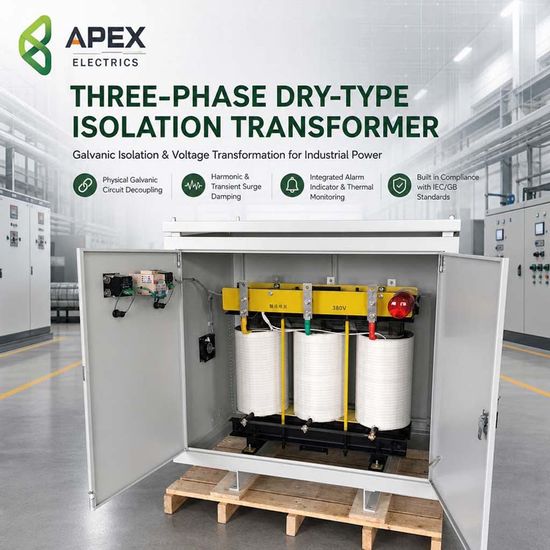


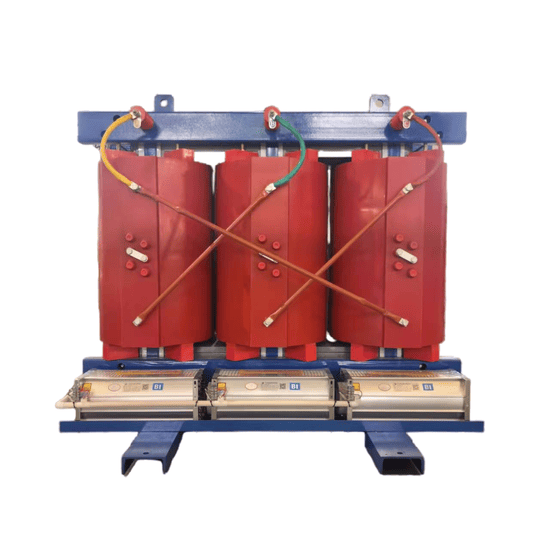


When sourcing a UPS transformer, you must prioritize Power Rating (kVA) to ensure it handles the load, and Input/Output Voltage levels (e.g., 220V to 110V) to match regional grids. Pay close attention to the Winding Material; Pure Copper windings offer superior conductivity and longevity compared to aluminum. Additionally, verify the Insulation Class (Class H or R is preferred for high-heat environments) and the Efficiency Rating, as high-efficiency transformers reduce operational costs and heat dissipation.
To ensure safety and legal entry into various markets, the transformer must hold CE Marking for Europe, UL Listing for the United States, or CSA Certification for Canada. Furthermore, compliance with ISO 9001 for quality management and RoHS for hazardous substance restriction is essential. For industrial applications, check for IEC 60076 standards, which govern power transformer performance and safety globally.
A high-quality UPS transformer should feature advanced cooling mechanisms, such as forced air or specialized heat sinks. Inquire about the Short-Circuit Impedance and the unit's ability to withstand Total Harmonic Distortion (THD), which is critical for protecting sensitive electronic equipment. Ensure the enclosure has an appropriate IP Rating (e.g., IP20 or IP54) based on whether the unit will be placed in a clean data center or a dusty industrial floor.
These units are primarily used in Data Centers to provide galvanic isolation and voltage stepping, in Medical Facilities to ensure stable power for life-critical imaging equipment, and in Industrial Automation to protect PLC systems from grid noise. They are also vital for Telecommunications hubs where consistent power quality is non-negotiable.
Always conduct a Factory Audit or hire a third-party inspection service like SGS or Intertek to verify the supplier's production capacity. Use Secure Payment Terms such as Letters of Credit (L/C) or trade assurance services provided by reputable platforms like Made-in-China.com. Request a Pre-shipment Inspection (PSI) to confirm that the technical parameters of the bulk order match the approved sample.
Focus on the Total Cost of Ownership (TCO) rather than just the unit price. Negotiate for a longer warranty period (at least 2-3 years) and the inclusion of critical spare parts in the initial shipment. If purchasing in bulk, leverage the Economy of Scale to request a 10-15% discount, and clarify the Incoterms (e.g., FOB or CIF) to avoid hidden logistics costs.
UPS transformers are heavy and sensitive to vibrations. Ensure the supplier uses Seaworthy Vacuum Packaging and Reinforced Wooden Crates to prevent moisture ingress and physical damage. For shipping to specific regions, confirm the supplier's familiarity with Customs HS Codes (typically 8504) to ensure accurate tariff classification and smooth clearance.
Verify that the supplier is a Gold Member or Audited Supplier on Made-in-China.com to ensure business legitimacy. Stay updated on Anti-dumping duties or specific trade tariffs between your country and the manufacturing hub. Always maintain a detailed Sales Contract that specifies dispute resolution locations and governing laws.