
Satisfies 1 requirement
304 Ss Mosquito Mesh for Window and Door Ss Wire Mesh Roller Metal Screen on Time Delivery Mosquito Mesh Ss 304
US$0.80-2.00
50 Square Meters(MOQ)

I have found results from60000+products and10000+suppliers aboutWindow screen wire mesh


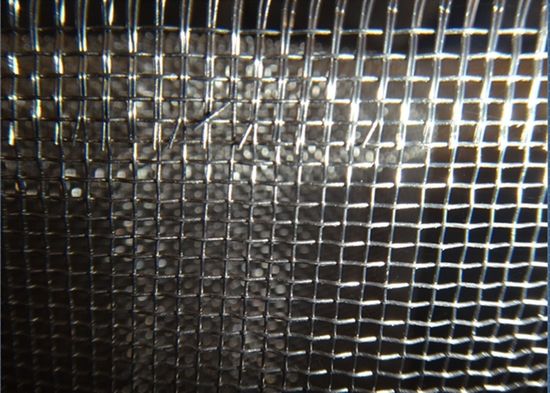


Selecting the correct material is the most critical factor for durability and functionality. Fiberglass is the most cost-effective and flexible option, ideal for standard residential use as it does not dent. Aluminum alloy offers better durability and fire resistance, making it suitable for high-traffic areas. For coastal regions or high-end projects, Stainless Steel (304 or 316 grade) is the premium choice due to its superior corrosion resistance and 'anti-theft' security properties. Always verify the wire diameter (e.g., 0.18mm to 0.25mm) to ensure the mesh meets your strength requirements.
Buyers must focus on the Mesh Count (typically 18x16 or 20x20 per square inch) to balance airflow and insect protection. Ensure the product complies with REACH or RoHS standards, particularly for PVC-coated fiberglass, to guarantee the absence of lead and phthalates. For construction projects, check for ASTM E2010 fire endurance ratings. Requesting a Salt Spray Test report is essential if you are importing for humid or maritime climates to ensure the coating or metal grade can withstand oxidation.
Request a pre-shipment inspection (PSI) focusing on three areas: Aperture Uniformity, Tensile Strength, and Coating Adhesion. The mesh should have no 'broken wires' or 'weaving defects' over a continuous roll. For coated meshes, perform a scratch test to ensure the color doesn't peel easily. Weight per square meter (gsm) is a reliable indicator of material density; compare the actual weight against the supplier's datasheet to prevent 'under-spec' delivery.
For residential insect protection, standard fiberglass mesh is sufficient. However, for pet-friendly applications, you must source 'Pet Screen' made of heavy-duty vinyl-coated polyester, which is seven times stronger than standard mesh. In industrial or high-security environments, 'King Kong Mesh' (high-tensile stainless steel) is preferred for its impact resistance and anti-shearing capabilities. For modern 'invisible' windows, Plisse (pleated) mesh is the trend due to its space-saving foldable design.
The biggest risks are oxidation during sea freight and deformation due to improper palletizing. Ensure the supplier uses waterproof moisture-proof packaging (VCI paper or plastic film) and reinforced cardboard tubes to prevent the mesh from flattening. To secure your transaction, use Made-in-China.com's Secured Trading services to ensure payment is only released after quality verification.
Focus on Annual Volume Commitments rather than one-off orders to secure a 5-10% discount. Since wire mesh is a commodity, prices fluctuate with raw material costs (LME for Aluminum/Nickel); negotiate a 'formula-based pricing' if you are a long-term buyer. Always clarify the Incoterms (FOB vs CIF) early, as shipping bulky rolls can significantly impact the landed cost.
Check for Anti-dumping duties (ADD) in your specific country, as some regions impose high tariffs on Chinese steel or aluminum products. For shipping, Full Container Loads (FCL) are highly recommended for wire mesh to avoid the crushing damage often seen in LCL (Less than Container Load) shipments. Ensure the HS Code (typically 7019 or 7314) is correctly declared to avoid customs delays and fines.