
Satisfies 1 requirement
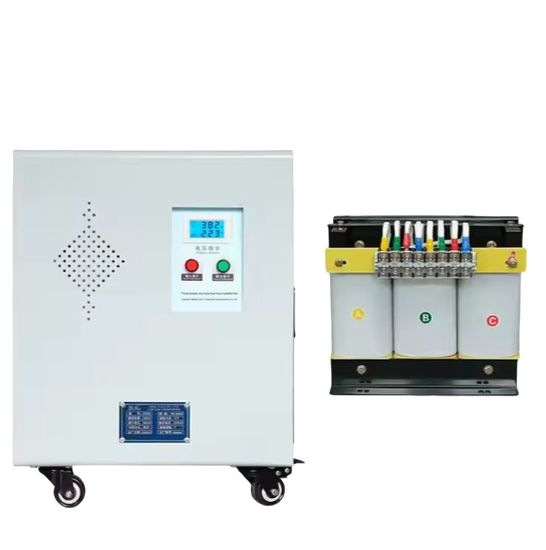
Epoxy - Resin - Cast Copper - Winding Dry - Type Transformers Are Used for 10kv 2500kVA Three - Phase High - Voltage Power Transmission and Distribution.
US$1,699.00-23,300.00
1 Piece(MOQ)

I have found results from100000+products and60000+suppliers aboutTransmission transformer




When sourcing transmission transformers, you must prioritize Rated Capacity (kVA/MVA), Voltage Ratio (e.g., 110kV/11kV), and Phase Configuration. Ensure the unit features high-grade cold-rolled grain-oriented (CRGO) silicon steel cores to minimize no-load losses. Additionally, verify the cooling method (e.g., ONAN, ONAF) matches your installation environment to prevent overheating during peak loads.
Suppliers must demonstrate compliance with IEC 60076 (International Electrotechnical Commission) standards for power transformers. For North American markets, IEEE/ANSI C57 standards are required, while EU markets necessitate the CE mark and adherence to EcoDesign Directive for energy efficiency. Always request Type Test Reports from accredited third-party labs like KEMA or CESI.
Focus on the Insulation Class (typically Class A for oil-immersed) and the Basic Insulation Level (BIL), which determines the transformer's ability to withstand lightning surges. Ensure the inclusion of safety devices such as Buchholz relays for gas detection, pressure relief valves, and magnetic oil level gauges with alarm contacts to prevent catastrophic failures.
A top-tier manufacturer should offer On-Load Tap Changers (OLTC) for voltage regulation without interrupting the circuit. You should also inquire about vector group adjustments (e.g., Dyn11 vs. Ynd11) to match your existing grid phase and custom bushing orientations to fit specific substation layouts.
Transmission transformers are heavy and sensitive. Use Breakbulk shipping or Flat Rack containers for oversized units. It is critical to install Impact Recorders (G-force meters) on the transformer tank during transit to monitor for excessive vibrations or drops. Ensure the supplier uses nitrogen filling for the main tank during transport to prevent moisture ingress into the insulation.
Negotiate based on the Total Cost of Ownership (TCO) rather than just the initial purchase price; a transformer with lower load losses will save thousands in operational costs over 20 years. Request a Factory Acceptance Test (FAT) as a milestone for the final 30% payment to ensure the equipment meets performance guarantees before it leaves the factory.
Verify the supplier's manufacturing history—ideally over 15 years in the power industry. For secure sourcing, utilize platforms like Made-in-China.com, which offers Audit Reports and verified supplier statuses. Always use Letters of Credit (L/C) for high-value transactions to protect your capital until shipping documents and inspection certificates are presented.
Ensure the contract includes supervision of installation and commissioning (SINC), where the supplier sends a technical engineer to your site. Confirm the availability of spare parts (bushings, gaskets, and relays) for at least 10 years and a minimum 24-month warranty period starting from the date of energization.